Home > News > Industry News
The ecosystem of solar energy storage batteries and inverters works in conjunction to convert sunlight to usable energy in homes and businesses. Solar energy storage batteries and inverters have a core relationship stemming from solar panels capturing sunlight and later storing it as direct current (DC) electricity. However, this energy is likely to be of no use to a household or commercial appliance, as this energy is said to be alternating current (AC) electricity. Inverters are a necessary part of any solar storage arrangement because they convert and bridge the flow of DC power from batteries to AC power. Without inverters, the energy captured from the sun would be impossible to access and use daily.
There is a lot of diligence that ensures both the efficiency and reliability during the conversion process of DC to AC. From the generation of DC electric power from solar panels, one of either options will occur. Excess DC electric power will either flow to the inverter directly and continue to be used, or the DC power is sent to the battery storage system. Lithium iron Phosphate (LiFePo4) is a modern battery that is considered to be safe and have a long cycle life. This battery type is great for energy storage. When the energy that is stored needs to be used, for example, at night or during power outages, the DC power is released from the battery to the inverter. Once the inverter receives DC power from the battery, the inverter uses sophisticated technology to change the direction of the current at a set frequency that is in the scope of either 50 or 60 Hertz. This frequency is in sync to electrical grids and appliances. This type of technology creates a lot of confidence to the users since power supply is consistent.
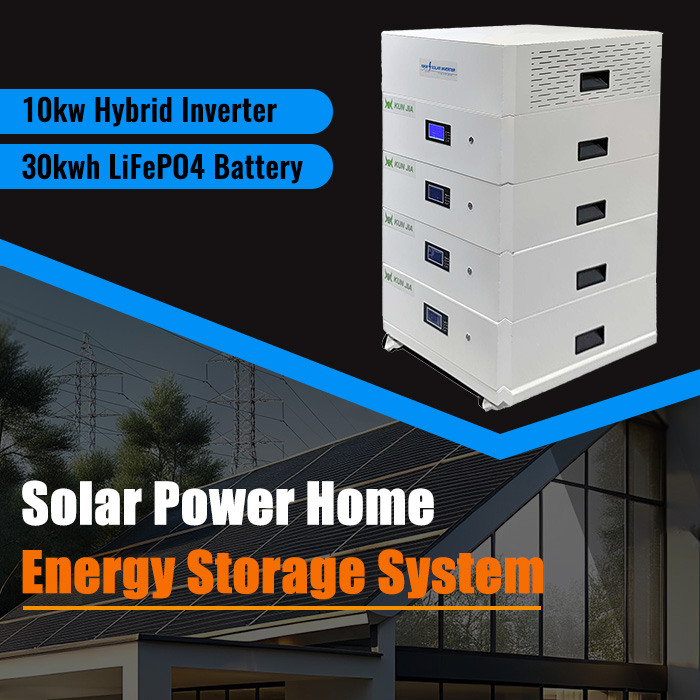
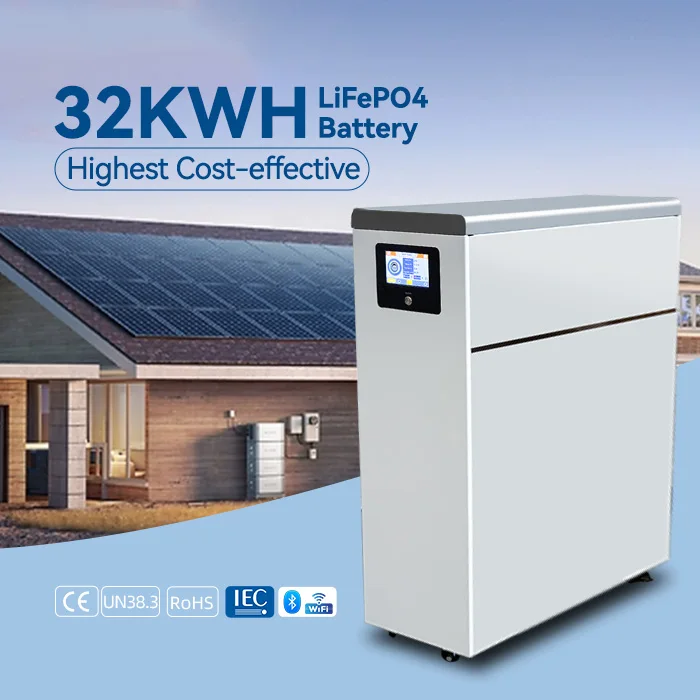
When high-quality batteries and high-efficiency inverters are combined into one integrated system, the user receives additional technical and practical benefits, the most important of which is increased energy autonomy. This allows the user to lessen dependence on the grid and circumvent grid outages. For instance, a small business in a remote location can continuously operate on stored solar energy, eliminating downtime due to grid failures. On top of that, such systems increase the user’s energy efficiency by decreasing energy loss during conversion. The best inverters achieve over a 95% conversion efficiency and, therefore, a high percentage of energy that is stored in the batteries becomes transformable into usable power. The cycle life of LiFePO4 batteries is 6000+ cycles, which increases this efficiency further and provides a long-term reliable storage solution that decreases the need for frequent replacements. Another important advantage is smart connectivity, as many systems have integrated WiFi and/or Bluetooth modules that make remote monitoring and control possible and help users to manage their energy consumption more efficiently, based on real-time information.
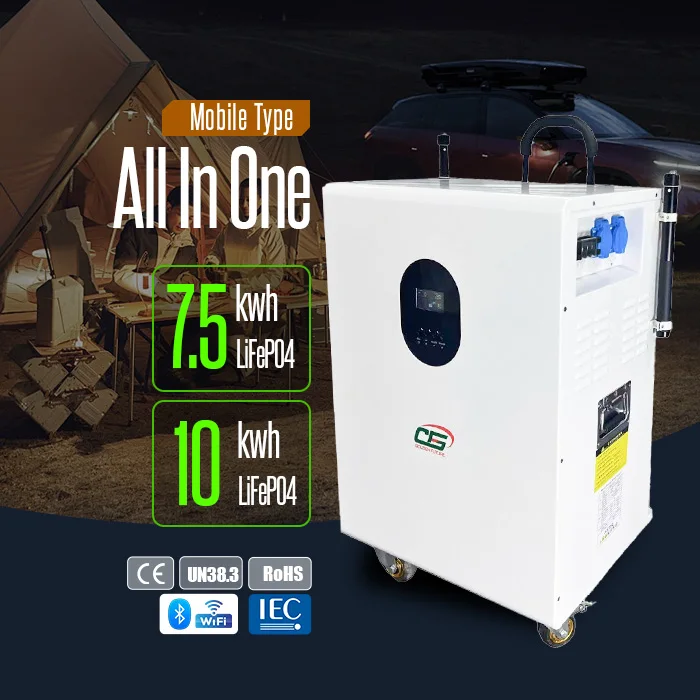
Integrated systems adhere to both international and regional industry standards providing checkpoints on performance, safety, and reliability. Those systems come equipped with Battery Management Systems (BMS), which monitor and manage the performance of the batteries. These systems avoid overcharging, and over-discharging, shorting and, protect from temperature swings. Systems can also show certifications, UL, CE, FCC, and UN38.3 which signify international standards in Safety/Quality and confirm compliance to UN International regulations on the transport of batteries. Unlike other certifications, CE certified devices meet the requirements of the European Union (EU) regarding health, safety, and environmental protection. Integrated systems for end users in solar and inverter applications deliver on promises of reliability and safety.
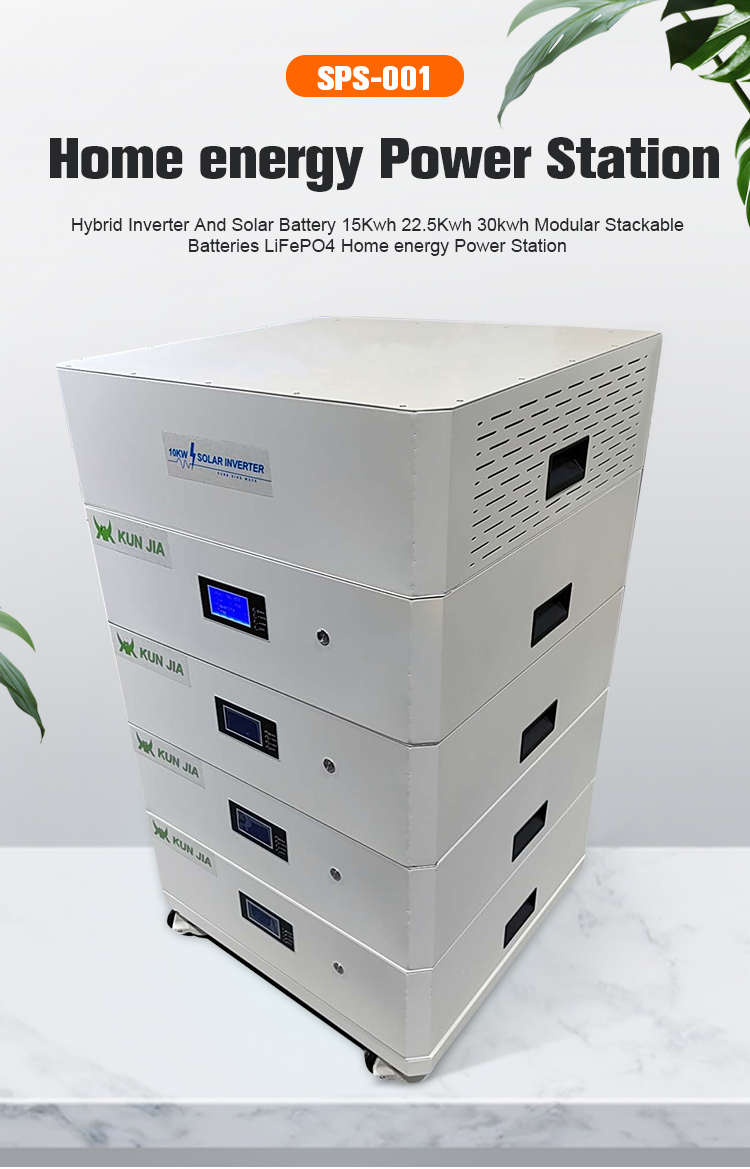
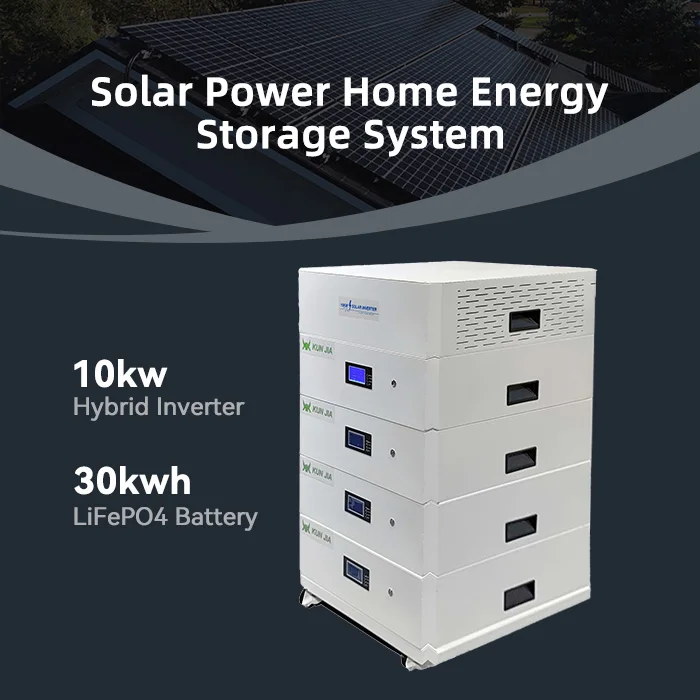
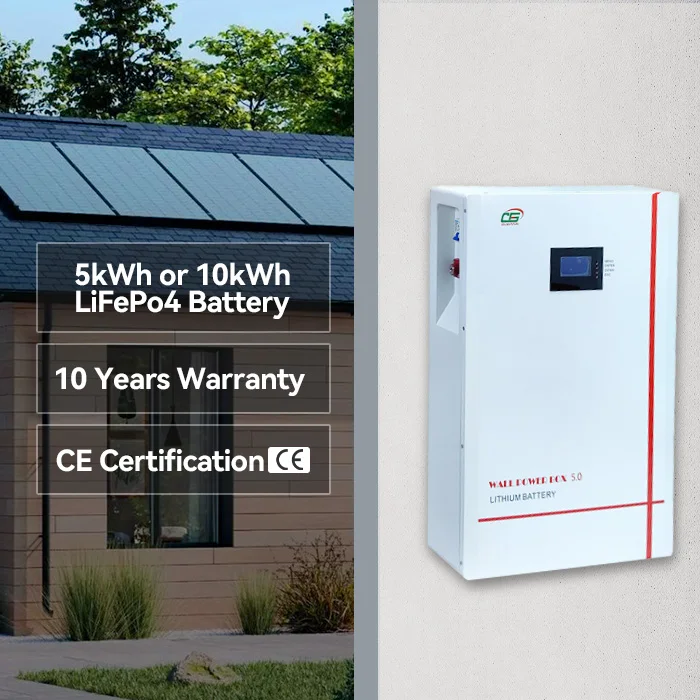
As a business investing in integrated solar battery and inverter systems, you will experience benefits beyond just their technical aspects. You will gain commercial value and long-term returns. With systems in place, businesses become less dependent on the grid and their electricity bills will drop as solar energy stored in the battery replaces purchased energy at peak pricing. After a while, the cost reductions will accumulate over time to create substantial savings. The financial return will be enhanced as many regions offer incentives, tax credits, and rebates for utilizing renewable energy systems. The initial investment will be paid back over many years as the lifespan of a LiFePO4 battery (backed by warranties for 10 years) will last a very long time. For example, a commercial facility will be able to count on a 15kWh LiFePO4 storage system and it will provide over a decade of consistent performance with minimal replacement costs and maximum ROI. Furthermore, these systems will provide a hedge against future cost increases, especially as energy prices rise, providing stability and predictability for budgeting.
The most obvious practical concern surrounding solar batteries and inverter systems is the misunderstanding... and, unfortunately, there are many. A widespread myth is that solar battery and inverter systems can only be used in certain climates; this is only partially true. While solar can't be generated at night, batteries can store energy for later use. While most companies shun the use of batteries, KiloFlow is the exception. While some companies use cloud 'predictor' batteries for energy storage, KiloFlow uses batteries. Some customers are also concerned that having a solar battery and inverter system installed is a complicated process that requires lots of down time and invasive installation; however, law the the United States, Europe, and a number of other countries require reputable companies to provide a one stop installation for a low amount of down time and a maximum performance. There are other concerns surrounding the size of the solar battery and inverter systems; for other companies, these are often not adjustable. Most customers desire fully solar systems, some companies, KiloFlow, use a combination of battery, KiloFlow, and battery storage systems. By KiloFlow addressing the concerns and other companies extending a little more effort, scalable solar storage solutions can be created.
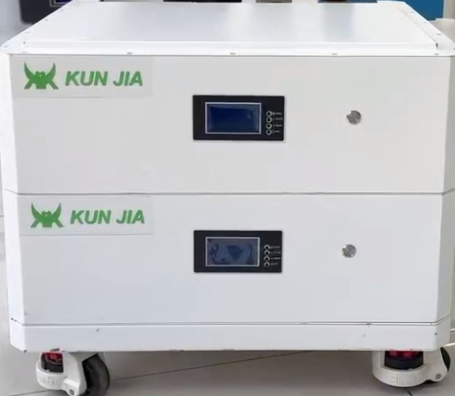
The storage of solar energy is an industry with high potential that constantly evolves with new innovations and improves its performance and accessibility. Experts predict that new developments in inverter technologies will lead to higher conversion and integration efficiencies with Smart Grids. Ongoing research in battery technologies focuses on improving energy density and cost efficiency. One of these innovations is the formation of expandable, modular, battery systems that would allow users to increase their energy storage capacity in accordance with their growing usage needs. One of the primary frontrunners of the recent technological boom is the integration of Artificial Intelligence and Machine Learning for optimized energy storage. A combination of all these innovations would lead to the creation of integrated solar energy and inverter systems that would provide businesses and households with all their energy needs in the most efficient, cost effective, and convenient manner. For all the above reasons, keeping up to date with recent developments in the solar energy industry will allow businesses and homeowners to enhance the quality of their energy systems.
Shenzhen Golden Future Energy Ltd. provides solar home energy storage systems and LiFePO4 batteries for residential and off-grid applications. Our ODM/OEM solutions, 10+ years of expertise, and 200-employee R&D team deliver reliable, certified energy solutions worldwide. Request a quote today.
Zhu Jiang International Ctr., Long Xiang Rd., Long Gang District, Shenzhen City, China
Copyright © 2025 by Shenzhen Golden Future Energy Ltd. Privacy Policy
 EN
EN
 Hot News