Home > News > Industry News
Every industrial energy storage facility has to comply with certain safety requirements. Having sophisticated safety technology is integral to the foundation of every industrial energy storage facility and assists in rendering safety for potential hazards. Industry leaders build smart Battery Management Systems (BMS) with real-time monitoring of critical parameters. These unit control systems help to preserve cell balance by avoiding overcharging, overdischarging, and current imbalances.
Having LiFePO4 batteries is also very important, and is a widely recognized technical advantage of battery systems. They provide a much superior safety level compared to all other lithium-ion batteries, not only exemplary thermal stability, but resistance to thermal runaway over the range of all battery systems. Centered on solid unique protection technologies, these systems deliver an outstanding safety level with temperature monitoring, short circuit ignition prevention, and voltage systems integration.
The use of solid or gel electrolytes provides safety in that it removes the risk of liquid electrolytes, which may also enhance system safety and energy storage systems, and provides even more unique flexibility for use in tough industrial conditions.
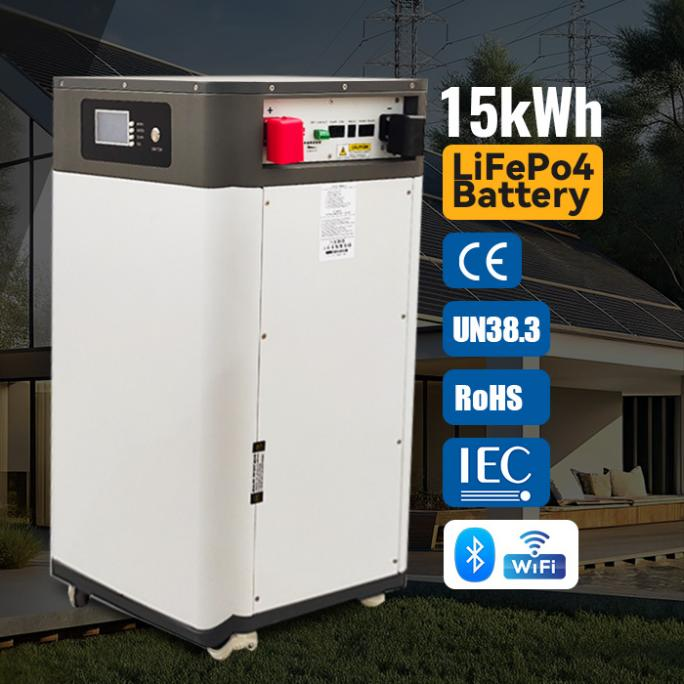
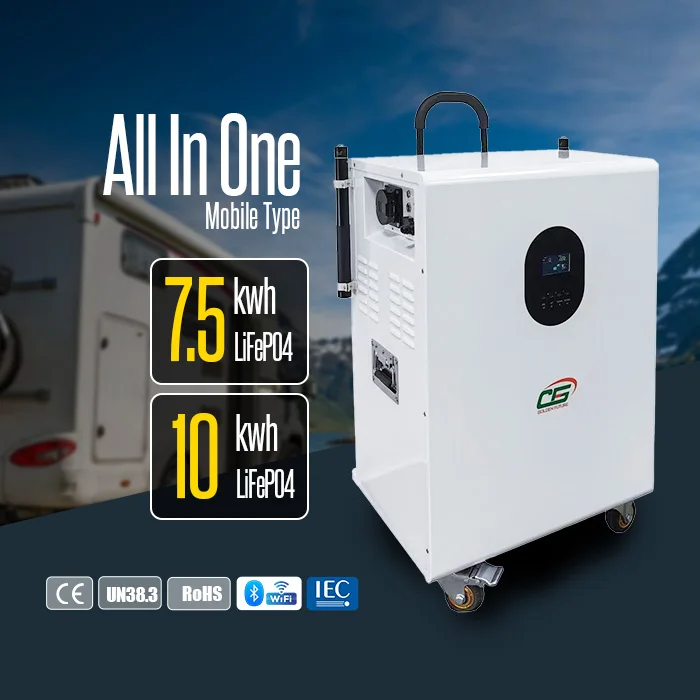
Industrial energy storage systems are required to have safety certifications to operate in international markets. Certifications like CE, UL, UN38.3, and RoHS are concrete examples as to how a product meets safety requirements and have been certified safe. These certifications demand a product to pass thorough electrical, mechanical, environmental, and chemical testing.
When businesses are selecting energy storage systems, certified energy storage systems provide peace of mind as businesses will avoid safety problems and expensive safety compliance problems and will provide a positive perception of business safety with partners and end customers. Additionally, certified energy storage systems are more likely to work with existing systems in facilities around the world which lessens the complexity of demand and integration.
Certifications show a commitment to the safety and supply chain of the manufacturer and provides differentiation in the market for quality vs. the many other alternatives of unsafe solutions in the industrial energy storage systems market.
Industrial energy storage safety is dependent upon the manufacturers of the systems and the quality assurance processes they implement during production. From the selection of the raw materials to the engineering controls within the system, each area supports the overall safety and reliability of a system. Manufacturing quality systems like the ones in this document document require manufacturers to have the performance of battery cell suppliers to be of the best grade. This will assure safety and reliability performance within the system.
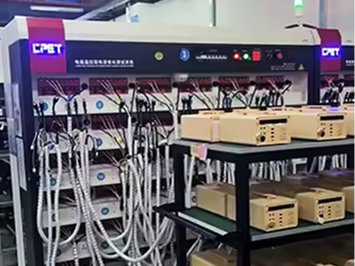
There are quality inspections for every step of production during: unit inspection, assembly testing, and system validation for each of the various production stages. Each system undergoes safety inspections and design validation before the system is shipped. Advanced production safety features reduce the potential for safety compromising defects further ensuring consistency in the production facility.
Permanent quality controls and updates positively active to resolve possible new issues. Continuously active to resolve possible new issues, safety features are monitored and updated for new and innovative methods. Determining system safety, energy systems are monitored throughout their use and longevity.
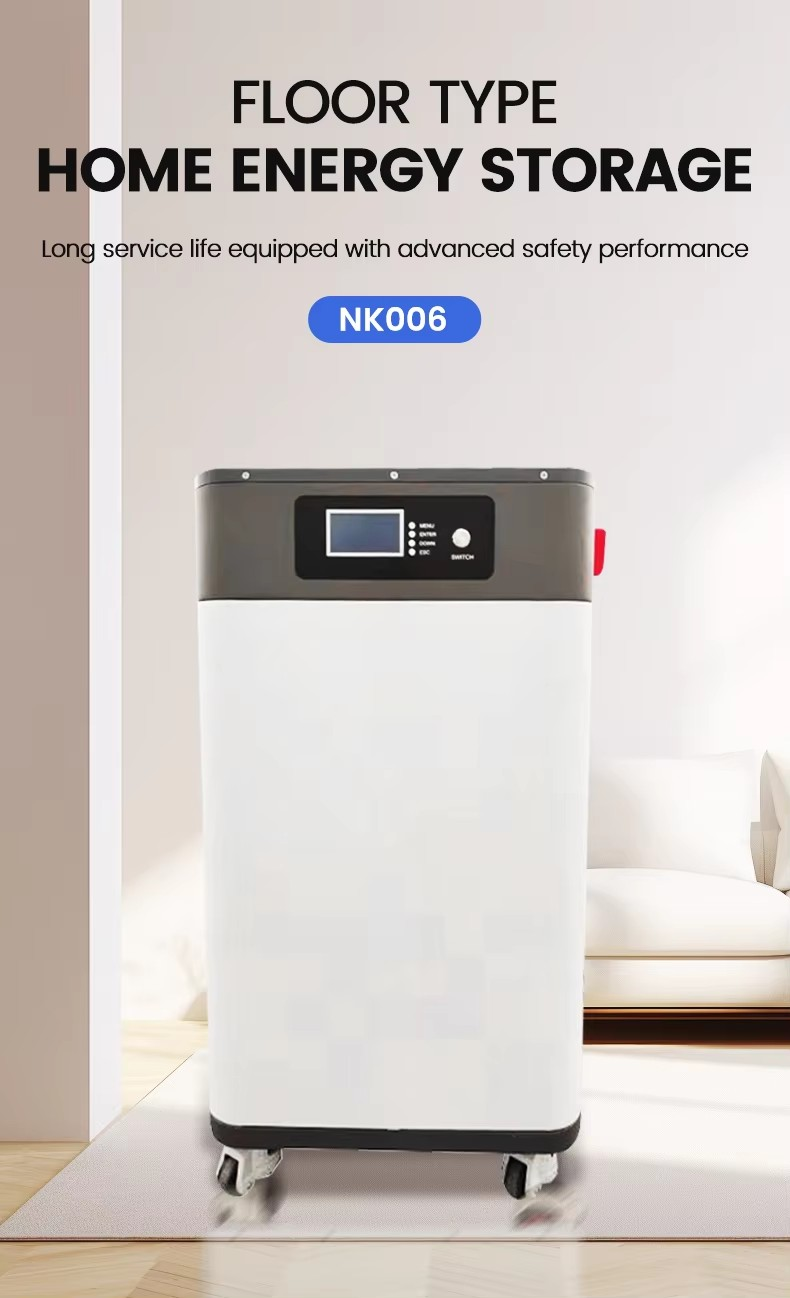
Achieving each of safety, performance, and cost-effectiveness is one of the main challenges within the energy storage. Ultimately, however, the three factors are not mutually exclusive as better safety can help value positively in the long term. Also, storage systems that are energy as well as safety are high performanced and have reduced system longevity to higher replacement costs.
Another incredibly positive factor of design is how scalable it can be. Because various businesses have different energy needs, systems can be affordable by not over-investing, safety can be managed across all systems of various sizes, and businesses have the flexibility to grow.
How much money we save is also affected by how well we are able to convert and store energy. Energy-conserving systems that operate energy efficiently are economically beneficial as they reduce waste and lower operational costs. Focusing on safety, operational systems are bottom-line beneficial.
Energy storage systems encounter unique safety challenges including extreme heat, high humidity, and impacts that may damage systems. The new storage systems are now designed to withstand certain environmental challenges. They are now able to do their work reliably while withstanding a larger temperature span, as well as enduring moisture, dust, and vibration.
A possible other common challenge is the risk of thermal events. The use of flame-retardant materials poses extreme lower fire risk, and advanced cooling systems as well as thermal management technologies circumvent the possible heat influx.
In packed Industrial spaces, such as the scenarios these features are designed for, thermal events are a large concern as poor safety control can cause catastrophic and severe incidents. Cybersecurity in interconnected industrial systems is also notable and growing concern. Energy storage systems that incorporate efficient cyber security features mitigate the risk of unauthorized access and cyber threats. With these concerns in mind, Industrial clients are given peace of mind.
Once you understand the importance of safety standards in the industrial energy storage industry, you also understand the increased profitability over and above the basic requirement of conformance. Safe energy storage systems do not cause unplanned downtime losses and therefore cannot interrupt the flow of critical industrial operations. This dependability further adds sustaining and protecting productivity and profitability of firms.
Brand trust also stems from safety. Customers in the industrial sector are more likely to do business with suppliers when trust and safety corporations risk lose preventative safety measures. Differentiating on the marketplace with a reputation for reliability and safe products will increase a supplier’s business profile and ultimately improve profitability.
Furthermore, safe energy systems are embraced as sustainable. Safe systems with high efficient energy storage compliment the growing importance of commercial Environmental, Social and Governance (ESG) systems. This further aligns with the growing global sustainability trends and increases protective safety business trends.
Reliability and Resilience depend on safety compliance. What is most valuable is a good balance between advanced safety designs, certifiable global safety compliance, quality assurance in advanced safety designs, and economic feasibility. Strict safety compliance allows industrial firms to mitigate, cost, and increase operational efficiencies.
Selecting industrial energy storage which prioritizes advanced designs of safety compliance is a good choice and a long-term investment. Differentiating across the industrial energy storage market will most likely motivate compliant designs to ensure firms can fully capitalize on energy renewability.
Shenzhen Golden Future Energy Ltd. provides solar home energy storage systems and LiFePO4 batteries for residential and off-grid applications. Our ODM/OEM solutions, 10+ years of expertise, and 200-employee R&D team deliver reliable, certified energy solutions worldwide. Request a quote today.
Zhu Jiang International Ctr., Long Xiang Rd., Long Gang District, Shenzhen City, China
Copyright © 2025 by Shenzhen Golden Future Energy Ltd. Privacy Policy
 EN
EN
 Hot News