Home > News > Industry News
When companies decide to invest in energy storage for their businesses, the durability of the system is of utmost importance and impacts the efficiency and cost savings of the business long term. Several important system valuable components determine how long the system continues to operate.
When discussing the value components, battery chemistry has to the most important. Iro phosphate lithium batteries (LiFePO4) have become the preferred battery for industrial applications because of their stability and durability. They are not like other capable lithium ion chemistries with much less cycle durability. That is a must in industrial applications. Quality cell materials, domestic and international, most certainly add to longer sustained usability of the system from less material degradation.
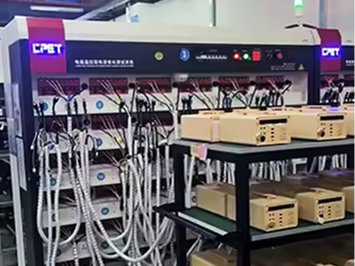
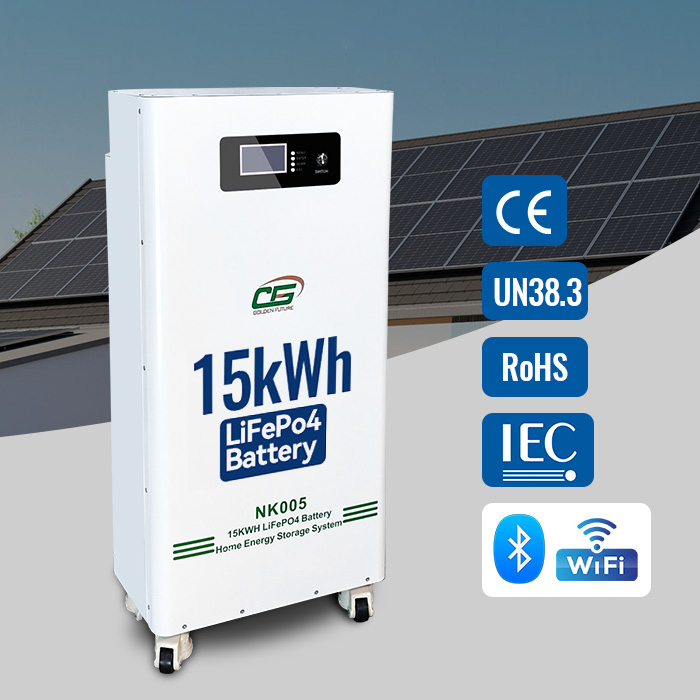
The other important elem`ent to consider is the cell management system, or BMS. A smart BMS with all of the required safety and control features will ensure lifespan is extended. The BMS controls the charge/discharge rates, voltage and temperature to control the basic battery mismanagement scenarios of overcharge, under discharge, over temp, and short of circuit, all which would catastrophic end battery lifespan. BMS features such as a mobile app connected via WiFi or Bluetooth to control battery usage and actively monitor the battery to prevent the system from failing prematurely are important as well.
Operating conditions significantly affect lifespan. If properly controlled, temperature is not an issue with industrial energy storage systems, as most systems are designed to sustain and high and low temperature extremes. Likewise, stress on battery cells can be relieved and capacity retained over time through thoughtful installation with sufficient airflow to dissipate heat.
Outstanding industrial energy storage systems are distinguished from the competition by the advanced technical features that extend the system's lifespan. Systems with these features are high quality, achieving unmatched durability and dependability while sustaining challenging industrial workloads.
The design of battery packs that are scalable to over an entire modular system helps to extend usable lifespan by offering the flexibility to customize capacity. Rather than overtaxing a single large system with added energy loads, users can incrementally add a modular system so that individual cells aren't overstrained. This flexibility means the system will not need to be decommissioned and replaced as energy demands change, preserving the initial investment.Looking at Certifications as a Lifespan Indicator
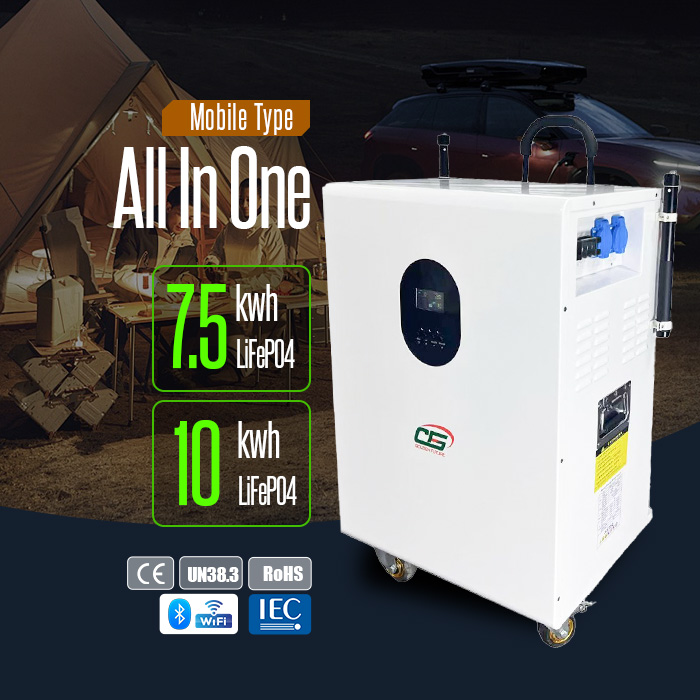
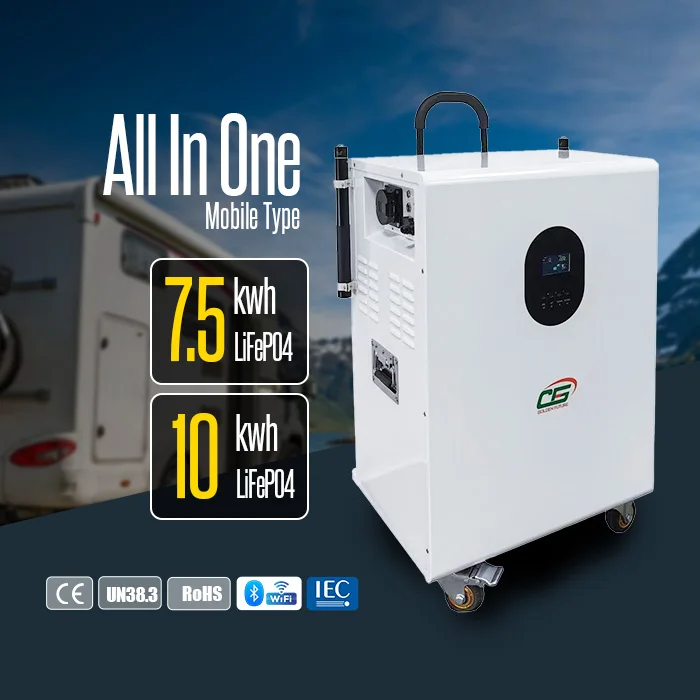
The international certifications achievements , such as CE, UN38.3, IEC, and RoHS, demonstrate a proven track record of safety and compliance with international operational and industrial standards. Consequently, battery packs built and integrated with these certifications demonstrate harmonious, reliable, and efficient functionality of the system components, from the battery cells all the way to the inverter, to eliminate industrial battery pack/system failures.
The incorporation of sophisticated mechanisms to minimize operational noise, predominant distraction, reinforces the system design to enhance battery and system longevity. High-performance, low friction components, and advanced cooling technologies reduces the mechanical stresses, and optimizes a more thermally stable system, extending the operational cycle of the battery.
The cost of system degradation, and battery outcomes from industrial cycles, to a system of lower initial cost, needs to be factored in. Maintenance cycles and system downtimes from limited operational lifespans need to be factored into the cost as well. Business value is derived from knowing these system factors to minimize operational interruptions, with sustainable performance over expected lifespans. Business value is undeniable.
High-cost-effectiveness does not mean sacrificing quality. It means spending on a system with a lower total cost of ownership. LiFePO4-based systems have over 6000 cycle lives, allowing them to work for over a decade without having to be replaced. When compared with cheaper battery systems that need to be replaced because of their smaller cycle lives, these systems save you money over their life span.
Some of these options, such as modifying temperature extremes, power needs, or capacities can save money on battery systems. More efficient use of batteries means less inefficient, one-sized systems.
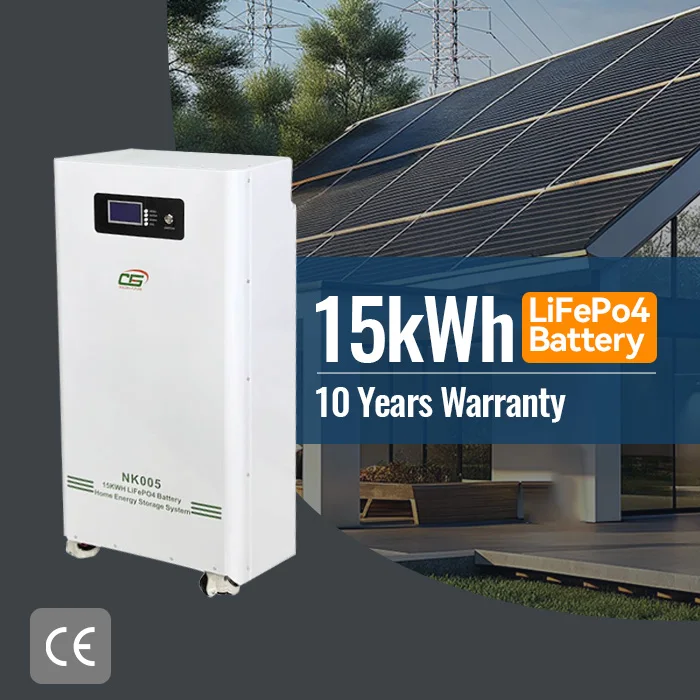
The length of warranties is an easy way to assess how long a system is designed to last. For example, a 10-year warranty means the manufacturer is confident their warranty will not be used for a long time. This makes industrial systems more valuable than the baseline of providing no unexpected replacement costs. For industrial systems, after this peace of mind is considered, the system is much more valuable than other systems.
Although advances have been made in the technology surrounding industrial energy storage systems, businesses concerns surrounding lifespan remain, and this greatly informs their purchases. Directly and accurately addressing this concern helps businesses know that informed and trustworthy decisions can be made.
Another concern is whether and how performance over time can be maintained. Systems made with higher quality components that have smart BMS features that can actively monitor and alert users of performance hindering issues are likely to be set and forget. BMS systems can make reliable systems with little intervention.
Another concern is the impact of heavy, industrial use on lifespan. Industrial facilities have higher energy use and demands, and consequently, storage systems are used and cycled more frequently. Industrial work is the systems are made to endure. Advanced cooling systems for cells, structural systems, and overmuch/ overdischarged protection work to hold off significant degradation. This allows businesses to have consistent performance especially during peak demand.
Lastly, companies might be concerned with the return on investment (ROI) in relation to lifespan. More expensive systems tend to incur a greater ROI over the long run because they last longer. These systems economically justify themselves in a couple years after installation from the standpoint of avoiding costs associated with replacements, collecting consistent energy savings, and reducing downtime. For companies wanting to move to green energy, the long term ROI in industrial energy storage makes this a smart move.
The lifespan of industrial energy storage systems is a complex topic involving battery chemistry, design, operation, and cost. With a focus on high grade LiFePO4 batteries, state of the art BMS technology, and tailored applications, companies can count on reliable systems for ten years or more. The most probable way to improve value is to prioritize cost, balancing upfront investment with savings over the long run, and choosing systems with good value backed by solid warranties and certifications.
When it comes to industrial companies looking for stable sustainable energy strategies, knowing what to expect from energy storage lifespan makes for better planning and better decision strategies. Companies can decrease their carbon footprint and simultaneously maintain consistent performance, low operational costs, and a high ROI. As storage technology improves, the systems’ lifespan will grow, making industrial energy storage systems ever more useful for companies around the globe.
Shenzhen Golden Future Energy Ltd. provides solar home energy storage systems and LiFePO4 batteries for residential and off-grid applications. Our ODM/OEM solutions, 10+ years of expertise, and 200-employee R&D team deliver reliable, certified energy solutions worldwide. Request a quote today.
Zhu Jiang International Ctr., Long Xiang Rd., Long Gang District, Shenzhen City, China
Copyright © 2025 by Shenzhen Golden Future Energy Ltd. Privacy Policy
 EN
EN
 Hot News