Home > News > Industry News
For residences and industry, the energy usage profile of office buildings are different and trivially easy to anticipate. For an office building during the workweek, energy usage is at peak during the hours of 0900 to 1700 due to the simultaneous usage of lighting, HVAC, computers, and office equipment such as printers. After business hours, there is also an energy draw from common area lighting and heating, security equipment, and equipment which are considered essential. Moreover, the installation of smart devices and Level 2 AC EVSE is becoming common in office buildings. Additional energy demand is likely to be present.
Owing to the unique energy consumption profile, the commercial energy storage system will likely be a good investment in storage systems. There is a commercial energy storage system available that can be properly configured to optimally offset peak load, an significant purchase, minimize energy use from the grid during peal usage times, and provide uninterrupted power to the system. Energy storage system is not a one size fits all solution, a detailed comprehension of the commercial office buildings energy profile is necessary.
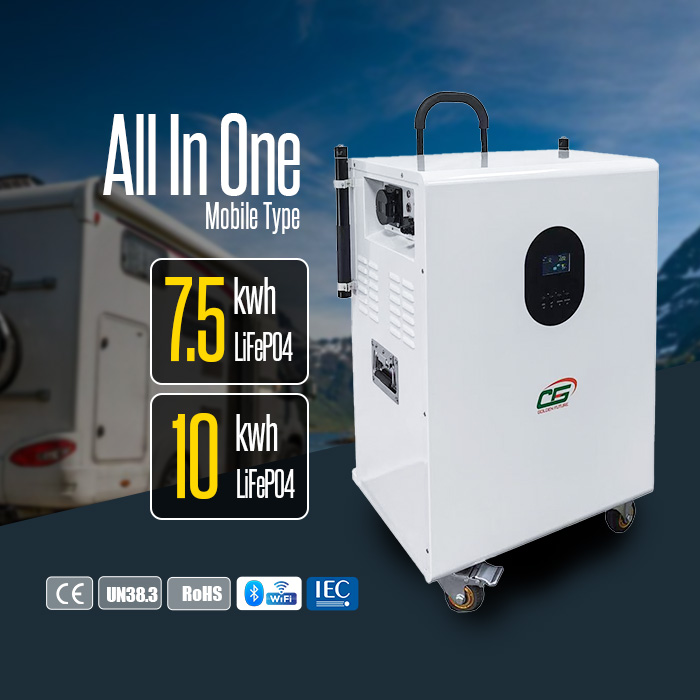
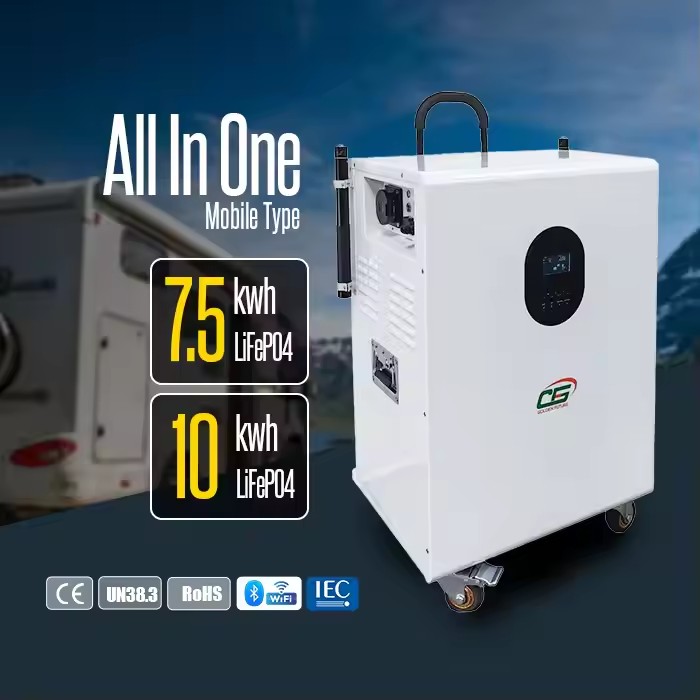
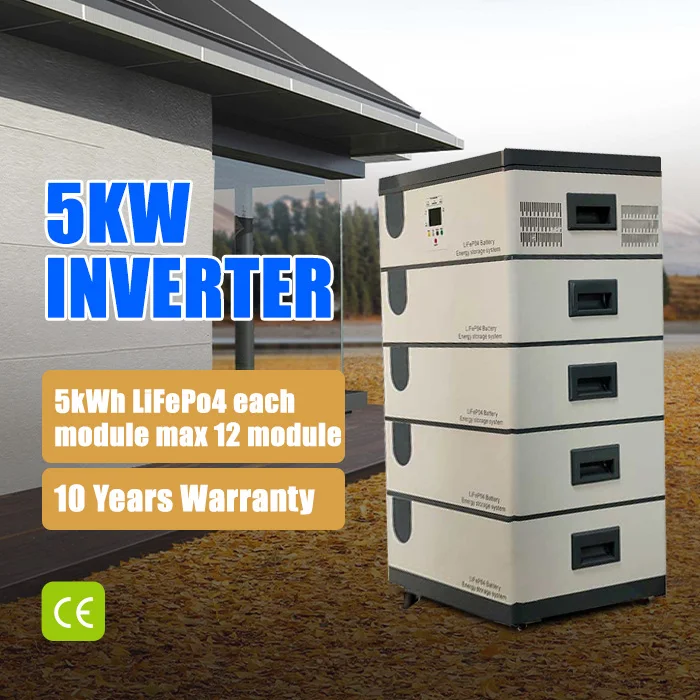
The technical advantages of a commercial energy storage system are among the most important criteria when choosing one for an office building. Superior commercial energy storage system provides the highest quality LiFePO4. LiFePO4 batteries have a highest cycle life of 6000 and more. The batteries used in the products are guaranteed for years and the batteries do not need to be replaced as often. The longevity of the batteries provides a much sounder return on investment for the office manager and building owner.
Scalability is another important technical feature. The energy needs of an office are not static. The energy needs of an office often increases as more employees are brought on, new devices are added, and more equipment that consumes energy is adopted. Flexible, and modular battery pack designs allow for system growth, maximizing savings by radically curtailing the need for entire system replacements. And, modern BMS (Battery Management System) technology fully protects the system from hazardous operating conditions meticulously controlled in an office, including overcharge, over-discharge, shorts, and malfunctioning of the temperature control systems.
All trustworthy storage solutions come with global certifications, including CE, UN38.3, and RoHS, which confirms compliance with international quality and safety regulations. The system’s certifications not only guarantee the system’s dependability, but also provide security to the building operators.
Office buildings need appropriate size assessments. This starts with the analysis of historical energy data and understanding periods of peak energy consumption and average daily activity. This data is crucial in determining how much energy needs to be stored in order to adequately meet peak demand and avoid expensive demand charges from utility companies.
Offices use backup power sources to keep essential operations running. This includes server rooms, emergency lighting, security systems, and remote seamlessly. The storage system needs to be large enough to cover these basic emergency operations, and, if future energy use needs forecasting is done, the system is guaranteed to be useful more years into the future.
Efficiency vs. capacity is also a.s. fine line to walk in system design. If the system design is oversized, there will be extra costs and the energy density of the design will be reduced. If it is undersized, it's guaranteed to be a failure when meeting the needs. Achieving the essential system design is only possible after working with industry professionals, and this requires running a thorough energy audit.
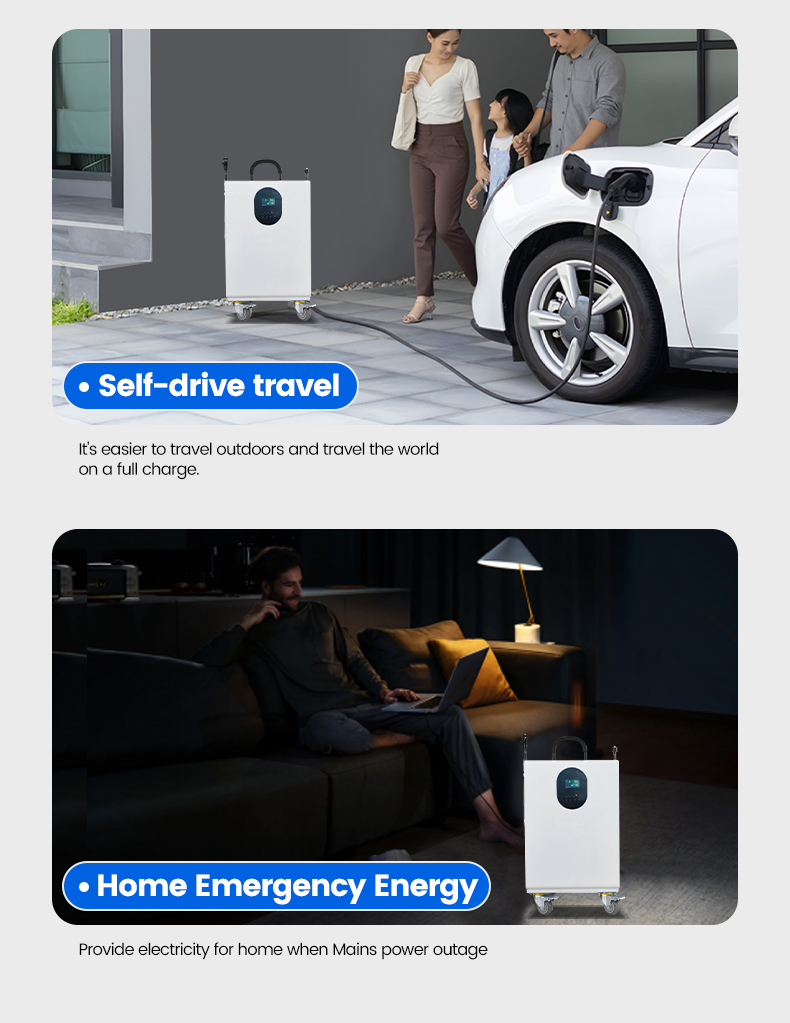
When it comes to office buildings, cost effectiveness is one of the most important factors, and the right storage system certainly gives great value over time. The cost of ownership for high quality LiFePO4 batteries is lower over time because they have long cycle lives and less maintenance. Unlike the traditional lead acid batteries, they will not need to be watered or replaced over time, which costs money.
Demand charge reduction serves as a great financial benefit as well. Utility companies tend to charge higher rates for peak usage, and with a storage system, office batteries can be used to draw power and avoid the high charges. Over time, this will pay back the savings gained.
In addition, installing commercial energy storage systems provides a number of regions with incentives, rebates, or tax credits, making this even more cost effective. If the office does use solar panels, this system also further maximizes energy savings by allowing to use the stored solar energy during the night.User-Friendliness and Integration Into Current Operations
Office structures have particular needs pertaining to the energy systems they use. These include easy assimilation into the current setup and ease of use. Modern commercial storage solutions have been designed to have plug-and-play capabilities, meaning they can be incorporated into the setup without lengthy installation or reconfiguration disruptions to the office, as they can be integrated into the office’s electrical systems and, when relevant, the solar panels.
Office systems designed with end-users in mind, allowing access to killer features like increased fire and network connectivity and superior energy management smart interfaces, allow users to monitor and manage their energy and batteries in real time. This access allows for proper maintenance of the appliances and batteries in order for the office to be at its efficient best. Given the lunacy of many office environments, the quiet operation of the systems is a welcome attribute.
Given the spacial constraints and premium placed on available floor area, the wall-mounted systems are a welcome sight. The systems are designed to be compact meaning their installation does not detract from the office’s aesthetic.
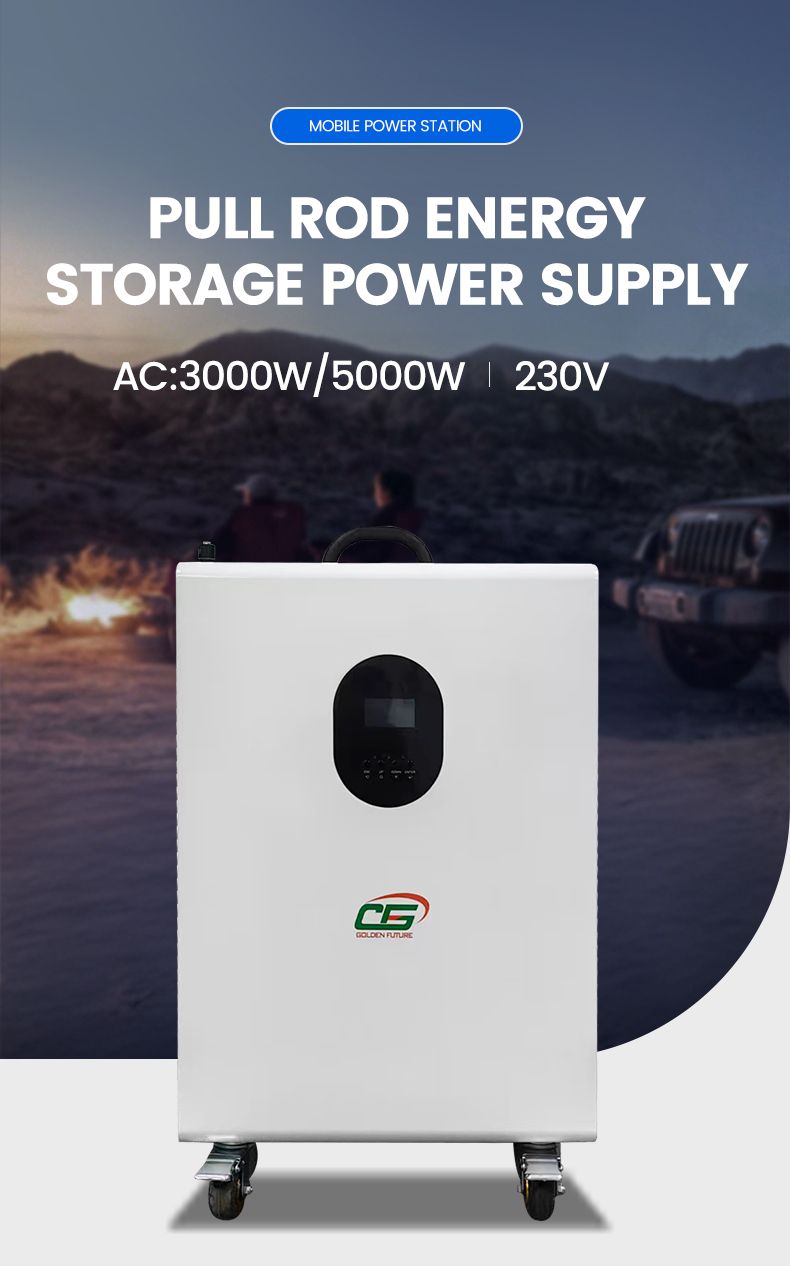
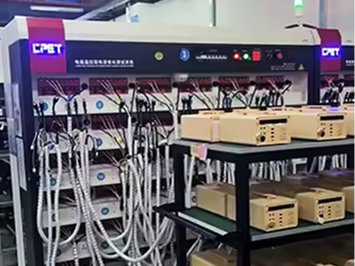
Finding the right provider is equally as important as finding the right system. To identify whom to partner with, consider the provider's level of experience in commercial energy storage along with their reliability and quality of solutions. The provider is OEM/ODM capable and can customize the systems to meet your office building's needs and perform at a higher level.
Having global sales perks along with after-sales support is important as they can help you and your clients no matter where you are from. If they invest in battery patents and have a dedicated research team, you can trust they have a system designed with the energy storage technology of the tier one batteries at their disposal.
In the end, the provider you engage with for commercial energy storage systems and support will perform an energy audit, help you analyze system sizing, and be a part of the long-term to help you get the most out of the system to ease your long-term hassle. They will help you with the complicated task of installing energy storage systems and their support will ensure the provider has the services to help you with the best outcomes.
Shenzhen Golden Future Energy Ltd. provides solar home energy storage systems and LiFePO4 batteries for residential and off-grid applications. Our ODM/OEM solutions, 10+ years of expertise, and 200-employee R&D team deliver reliable, certified energy solutions worldwide. Request a quote today.
Zhu Jiang International Ctr., Long Xiang Rd., Long Gang District, Shenzhen City, China
Copyright © 2025 by Shenzhen Golden Future Energy Ltd. Privacy Policy
 EN
EN

 Hot News