Home > News > Industry News
Many remote locations struggle to access a steady supply of electricity. The locations are unprofitable to connect to the electricity grid and opening access costs time and money. Even places that do receive grid electricity are vulnerable to losing power for long periods of time during storms or natural disasters. Backup diesel generators add to the problem of remote delivery and dependency. They are noisy and polluting, requiring frequent refueling. Solar power generators deliver the needed electricity without the downsides, easily overcoming these challenges.
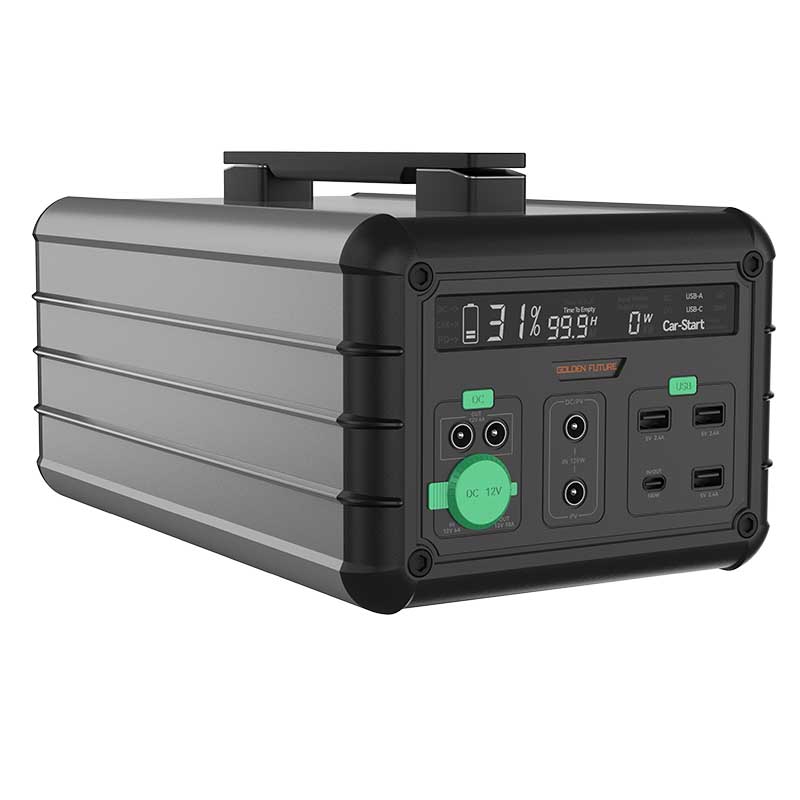
Solar generators use sunlight, and most unconnected locations receive abundant sunlight. Generators do not require refueling. They operate without the din of diesel generators, and do not require regular maintenance of oil and engine and simply need the solar panels cleaned. The most important feature for remote locations may be portability. Small solar generators can be moved to places that are most in need of powered, such as temporary clinics or work sites.
Lights can be powered, small appliances like refrigerators can be used, and cell phones can be charged - all the things that make life a little more enjoyable. In emergency situations, wildfires, and floods, solar generators provide instant power for communication and medical equipment of first responders. They can even be used in regions with less sunshine because of improved battery storage that holds energy for the cloudy days.
When it comes to choosing a solar generator in Texas for remote areas, there are a few factors to be considered first. Battery capacity is the first. Look for a battery that holds enough power to last through the nights and cloudy days. Generators also need to withstand harsh environmental conditions. They should be easy to use as well especially in areas with no technical assistance. The controls and instructions should be simplicity themselves. The charging speed is also crucial, and is often overlooked. Solar powered systems that charge rapidly make time waiting for power little to none.
Solar power generators are cheaper to use in remote locations after a period of time. Although they might cost a little more than a small diesel generator to set up initially, unlike diesel generators, they have no ongoing fuel costs. They also tend to outlast the diesel generators—diesel generators require extensive upkeep after every use while a solar power generator can last up to 10-15 years with little upkeep. Solar generators have no carbon emissions which means they do not contribute to climate change. The remote communities that depend on natural resources are also protected with no climate change emissions. All these factors make solar power generators a sensible option.
Shenzhen Golden Future Energy Ltd. provides solar home energy storage systems and LiFePO4 batteries for residential and off-grid applications. Our ODM/OEM solutions, 10+ years of expertise, and 200-employee R&D team deliver reliable, certified energy solutions worldwide. Request a quote today.
Zhu Jiang International Ctr., Long Xiang Rd., Long Gang District, Shenzhen City, China
Copyright © 2025 by Shenzhen Golden Future Energy Ltd. Privacy Policy
 EN
EN
 Hot News