EN

Solar battery storage for backup power: A Complete Beginner's Guide
Planning a solar-backed battery system starts with a practical question: which parts of your home must keep working when the grid is down? From an energy-storage application advisor’s perspective, the first useful step is to define those priority loads before comparing battery labels. A battery is part of a system that also includes solar generation, an inverter, controls, and safe grid isolation.
This guide explains the backup-storage decision in plain language. It is not a promise that every battery can run every appliance. Actual performance depends on the load list, available sunlight, battery settings, equipment compatibility, local rules, and installation design.
What a solar backup battery system does
A solar backup battery system stores electricity for later use. In normal operation, a system may charge from solar production and, where permitted and configured, from the grid. During an outage, a correctly designed system separates from the utility and supplies selected circuits from the battery. The U.S. Department of Energy notes that solar-plus-storage resilience relies on properly configured inverters and storage; ordinary grid-tied panels alone commonly stop producing usable power when grid service is lost.
That distinction matters. The backup system is not merely a battery beside rooftop panels. It needs an inverter capable of the intended backup mode, transfer or isolation equipment, protection devices, and a plan for what turns on together. An installer should verify the local electrical and permitting requirements before a system is selected.
Begin with your backup objective
For a solar backup plan, first decide whether you want essential-load coverage or broader whole-home coverage. Essential loads might include refrigeration, lights, internet equipment, a few outlets, a circulation pump, or a medical device with appropriate professional planning. Whole-home coverage is a different design question because heating, cooking, EV charging, and large air-conditioning loads can change the required power substantially.
A useful beginner worksheet has three columns:
- What must run: list each circuit or appliance.
- How long it should run: estimate hours and daily use rather than assuming continuous operation.
- What may run at the same time: identify the simultaneous demand and any motor-start surge.
This is why a backup battery system should be sized from a load profile rather than from a single advertised battery capacity.
Understand kWh, kW, and usable energy
Two numbers shape a backup battery plan. Battery energy, expressed in kilowatt-hours (kWh), influences how long selected loads may operate. Inverter power, expressed in kilowatts (kW), influences how much can operate at one moment. A system may have enough stored energy for an evening but insufficient inverter output for several high-demand appliances starting together.
Usable energy can differ from a battery’s nominal capacity because the system may reserve part of the battery, limit discharge for operating conditions, and lose some energy in conversion. Therefore, a runtime estimate should be treated as a planning estimate. It is tempting to ask for one ideal size; more precisely, the useful answer depends on loads, site conditions, and the intended use.
| Planning question | Why it matters |
|---|---|
| Daily essential-load energy | Helps estimate the usable kWh needed for the backup system. |
| Peak simultaneous demand | Helps assess inverter continuous output and surge requirements. |
| Expected outage pattern | Changes the desired reserve and recharge plan. |
| Solar access and seasonal weather | Influences how quickly a battery may recharge during an extended outage. |
Why LiFePO4 often enters the conversation
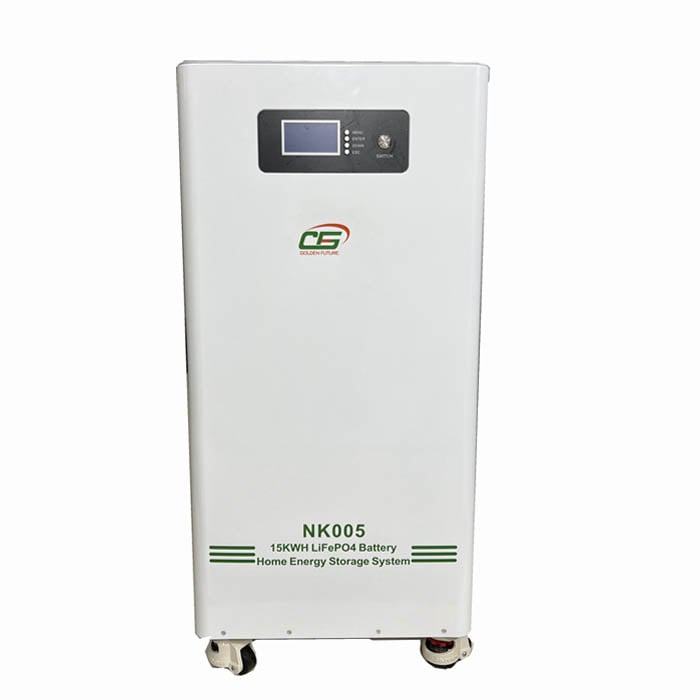
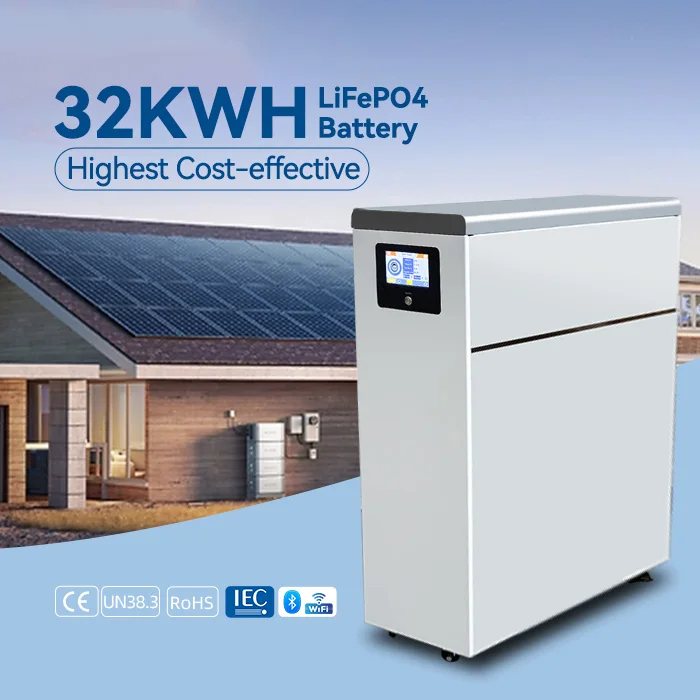
When evaluating solar battery storage LiFePO4 options, ask for the documentation that applies to the proposed system, not just a chemistry label. LiFePO4 describes a lithium iron phosphate battery chemistry commonly considered for stationary storage. Its relevance to your project still depends on the battery-management system, approved inverter pairing, installation environment, enclosure, operating limits, and service plan.
For a beginner, the key point is simple: compare usable capacity, supported power, compatible equipment, warranty scope, and installation requirements on the same basis. Solar battery storage for backup power works as a coordinated system, so no single component specification answers every backup question.
Solar production during an outage
Solar battery storage for backup power can use solar generation during an outage only when the system is designed to form and manage a local power supply. Production also changes with weather, shade, panel orientation, and the time of day. The battery carries loads after sunset or when production is lower, while controls balance available solar, battery state of charge, and household demand.
This means panel count and battery size answer related but different questions. Panels support energy production; the battery supplies stored energy; and the inverter supplies usable AC power to selected loads. Ask your provider to explain the expected operating sequence if an outage begins at night, on a cloudy day, or when the battery is already partially discharged.
Questions for an OEM or wholesale project
For buyers exploring OEM solar battery storage or wholesale solar battery storage, begin with the project scope rather than a headline claim. Confirm the target market, voltage and capacity range, enclosure and integration needs, expected documentation, minimum order expectations, packaging, lead-time discussion, service responsibilities, and compatibility evidence. A solar battery storage manufacturer can assess a request more clearly when the buyer provides the inverter information, backup objective, load profile, and intended installation environment.
Shenzhen Golden Future Energy Ltd. focuses on solar home energy storage and LiFePO4 battery applications. For a requirements conversation, share the selected loads, approximate energy use, peak demand, existing solar and inverter details, and whether the goal is residential backup, off-grid use, or a channel/OEM program. Those facts create a clearer basis for evaluating solar battery storage for backup power.
A pre-quote checklist
- List essential circuits and their typical hours of use.
- Record simultaneous running power and equipment with motor-start demand.
- Note existing solar-array, inverter, and electrical-panel information.
- Choose a backup goal: short essential-load coverage, longer resilience, or a broader household plan.
- Ask how solar battery storage for backup power will isolate from the grid and which circuits it will supply.
- For a LiFePO4, OEM, or wholesale inquiry, request configuration and compatibility documentation for the proposed scope.
Take the next step with the right information
Solar battery storage for backup power is easier to understand when you separate the objective, energy requirement, power requirement, and installation pathway. Define the loads first, then verify how the proposed battery, inverter, controls, and solar array would work together. What information would an installer or supplier need before they can assess this configuration? A load list, expected runtime, site details, and existing equipment information are a sound place to start.

 Hot News