Home > News > Industry News
Determining the amount of energy consumed by your home is the first step in sizing your home battery energy storage system. Analyzing home’s energy bills for the past 12 months will show how energy consumption changes from month to month. Energy consumption may be at its highest in months with extreme heat or cold due to appliance usage (e.g. HVAC systems) or in months with extreme event activity (e.g. holiday months).
Also consider the energy consumption of your home appliances. Each appliance will draw energy from the home battery. For example, the typical home refrigerator runs 24 hours a day, 7 days a week and will consume around 1-2 kWh per day. In contrast, a central air conditioning unit will consume 3-5 kWh per hour. By taking note of how energy each appliance consumes, you can map your home battery storage to it's energy consumption patterns.
Households tend to underestimate their energy needs because they look solely at average energy consumption. In addition, many anticipate energy consumption events to happen as they draw energy from the home battery, like in the case where multiple appliances are used at the same time or when multiple people are operating appliances. For peak loads, stick to the aggregate average of the energy consumption for the draw from the home battery energy storage system to ensure your system isn't overloaded when you need it.
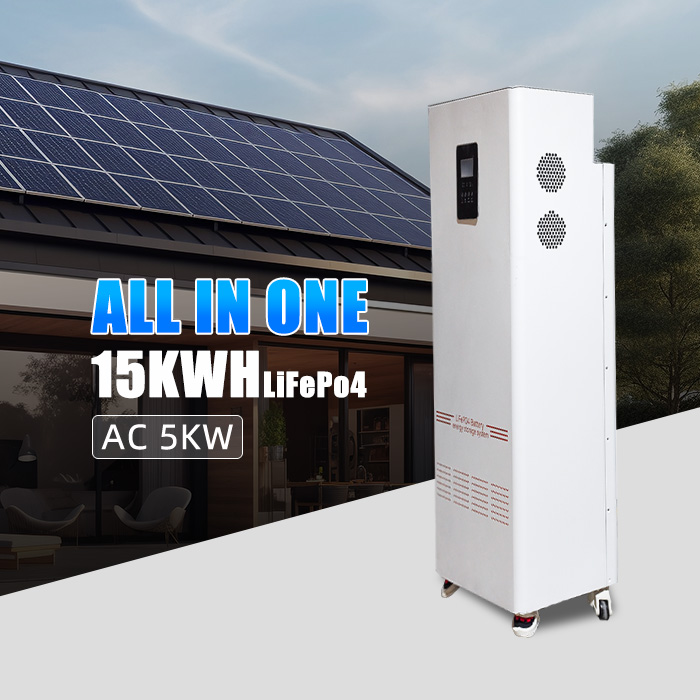
Different aspects affect the production of solar energy such as where you live, the direction your house faces, and how the solar panels work. It is important to design your storage system to capture and save extra energy produced during peak solar hours in the daytime so you can use that energy during production gaps, like at night or on cloudy days.
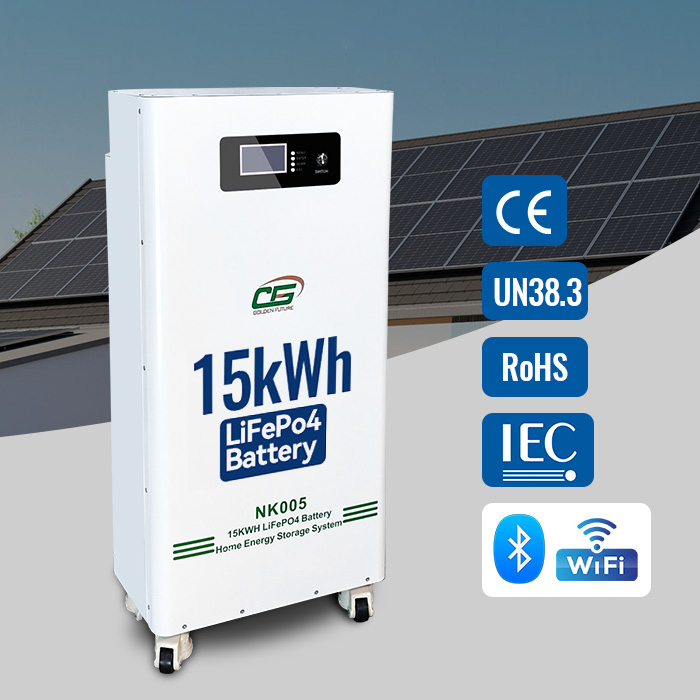
LiFePO4 batteries are the best option for home storage because they are very safe and have a long cycle life. Quality batteries can cycle charge and discharge more than 6000 times, which can result in a reliable system that lasts longer than 10 years. When adding storage to your solar system, try to have your batteries be able to capture at least 80% of your solar production during the day so you can utilize your energy the best.
Most analyses rank optimal storage capacity between 10 kWh to 32 kWh for the majority of homes. Smaller households should have no problem with a 10 kWh system, as 32 kWh systems are best for larger families or homes with a 32 kWh solution with higher energy needs as those systems provide more flexibility.
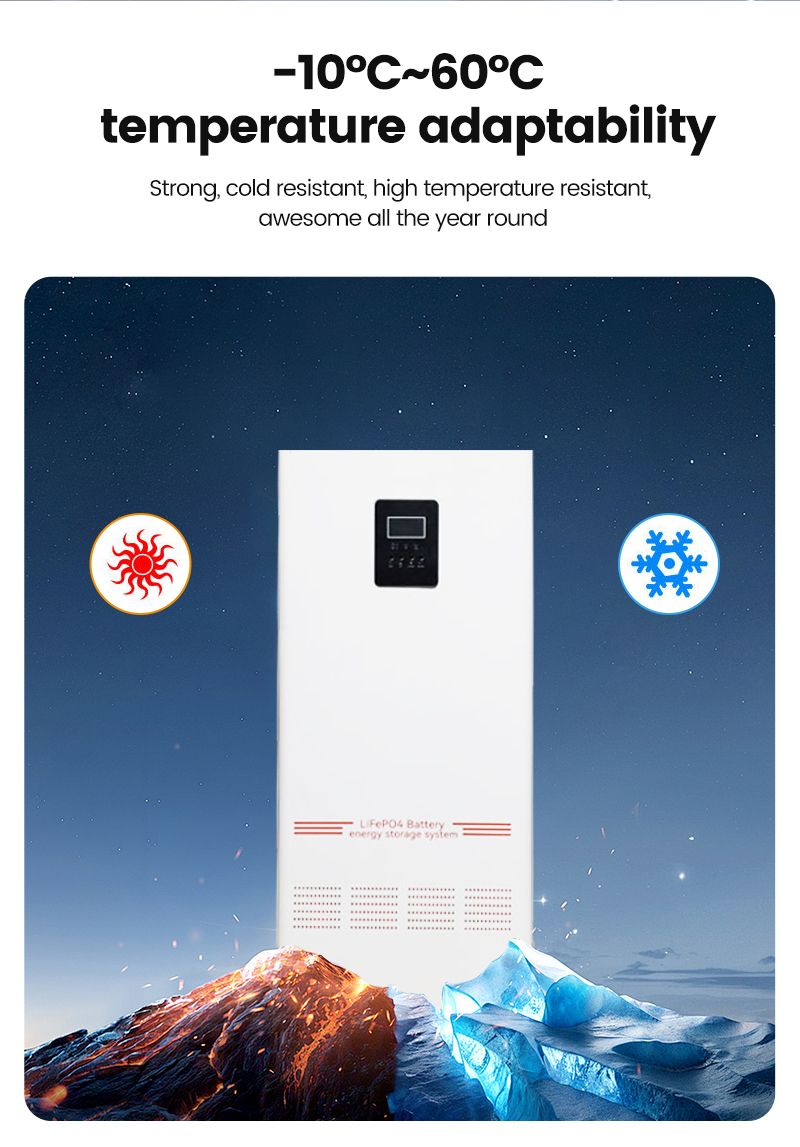
The right size of your solar energy storage system can be influenced by climate. Larger storage capacities are necessary for homes located in areas with long winters and frequent cloudy days as they generate less solar energy. Conversely, homes in sunny areas require less storage, but still need to consider seasonal differences in sunlight to optimize solar energy storage.
Extreme temperatures can affect battery performance. LiFePO4 batteries perform well within varying temperatures, but are affected by outside temperatures. For example, homes located in extremely hot or extremely cold climates may need to increase the size of their system to offset any losses from temperature extremes.
Usage change during the year can also be an important factor. More energy is typically used by households during the winter due to heating and lighting. Conversely, households use more energy in the summer for cooling. Well sized systems should be designed to offset these seasonal changes to minimize reliance on grid power.
Evaluating the safety of a solar energy storage system as well as its technical specifications are important to determine performance and reliability. Smart batteries come equipped with a battery management system (BMS) that monitors and optimizes battery life by avoiding overcharge, regulating temperatures, and balancing the cells.
Certifications from reputable organizations provide assurance of quality and safety. Look for systems with UL, CE, FCC, and UN38.3 certifications, which confirm compliance with international safety standards. These certifications guarantee that systems will satisfy safety, stability, and environmental safety requirements.
Scalability is another vital consideration. Modular systems allow users to start with a smaller capacity and to add battery packs as energy needs increase. This flexibility is especially valuable tech for homeowners that will expand living spaces, acquire EVs, and add to solar panel collections.
Retrieving the long term value from solar energy storage systems is influenced by the size of the S system that is installed. A system that's too small will depend on the grid during peak demand, Lossing savings opportunities. An oversize system will provide energy independence, but will uncorporate excess cost.
Warranty length is valuable as it certifies the systems quality. An installed system will continue to provide savings for 15-20 years as long as system maintenence is performed.
When looking at the financial and environmental advantages of the independence solar energy offers, it is useful for customers to understand that the less energy a person uses from the grid, the less they will pay for it, and pay for the privilege of accessing energy that is stored in the solar battery. After a few years, utility savings pay for solar batteries and more. Most homeowners feel that it takes 7-10 years to see a financial return on savings from utility bill payments.
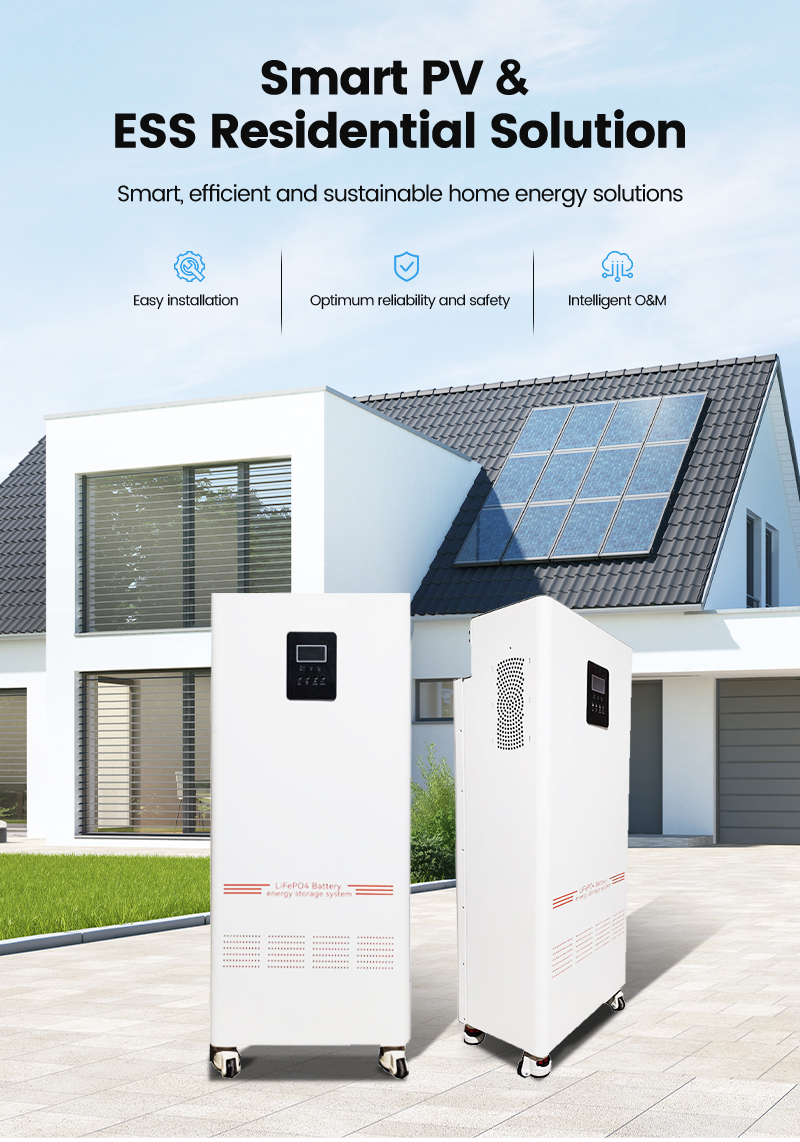
No two homes are the same, and this reality is applicable to energy use. Every home uses energy differently and at a different rate, and industry experts help customers understand their home’s specific energy use and needs. Experts assess a customer’s energy use, their solar energy potential, and their energy needs to determine their system requirements for a solar battery.
Experienced consultants are more than capable of helping customers understand and comply with specific regulations, especially if energ and solar incentives and energy grid connection regulations are applicable. With years of experience, consultants are talented estimators of the energy output a specific solar battery system will have, especially given the climate, their roofs angle and location, and surrounding shading.
With seasoned and skilled professionals, customers feel empowered that their solar battery system will be made to specific standards, especially avoiding the energy output extremes of undersizing and oversizing their solar battery system.
Shenzhen Golden Future Energy Ltd. provides solar home energy storage systems and LiFePO4 batteries for residential and off-grid applications. Our ODM/OEM solutions, 10+ years of expertise, and 200-employee R&D team deliver reliable, certified energy solutions worldwide. Request a quote today.
Zhu Jiang International Ctr., Long Xiang Rd., Long Gang District, Shenzhen City, China
Copyright © 2025 by Shenzhen Golden Future Energy Ltd. Privacy Policy
 EN
EN
 Hot News