Home > News > Industry News
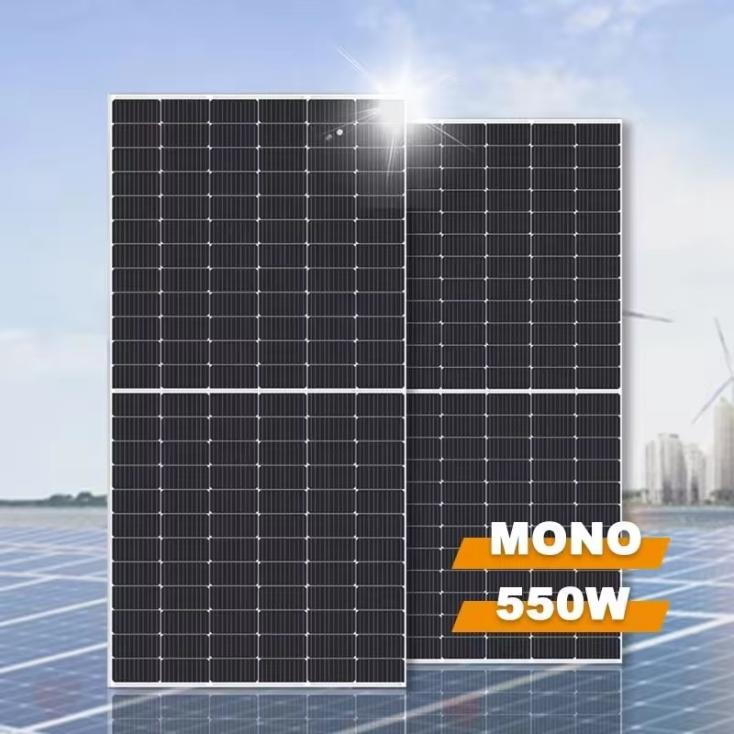
Solar panels gather the sun's rays and convert it to electricity but only while the sun shines. Solar energy systems storage units facilitate the electricity production and consumption processes to ensure the electricity is not wasted. For instance, if solar panels produce electricity, and a home or business consumer needs electricity in real time, the excess electricity goes to storage units to be used at a later time. This saves off grid dependence during high demand times and no sun. This is the days and nights when solar panel electricity is not produced or when cloudy days are present.
Certain factors influence the relationship between panels and storage systems. First, solar panels transform photovoltaic energy into a type of direct current (DC) electricity. After that, an inverter, which is integrated into many storage systems, is able to convert the direct current, or DC, into an alternating current, or AC, which is what appliances and devices use. Any AC current that remains is routed back to the battery for storage, and is then kept there until more AC power is needed. When surplus AC power is routed back to the battery, it ensures the efficient use of every single watt of solar energy. This makes it more effective and cheaper to use the system, and increases the solar energy system's cost efficiency.
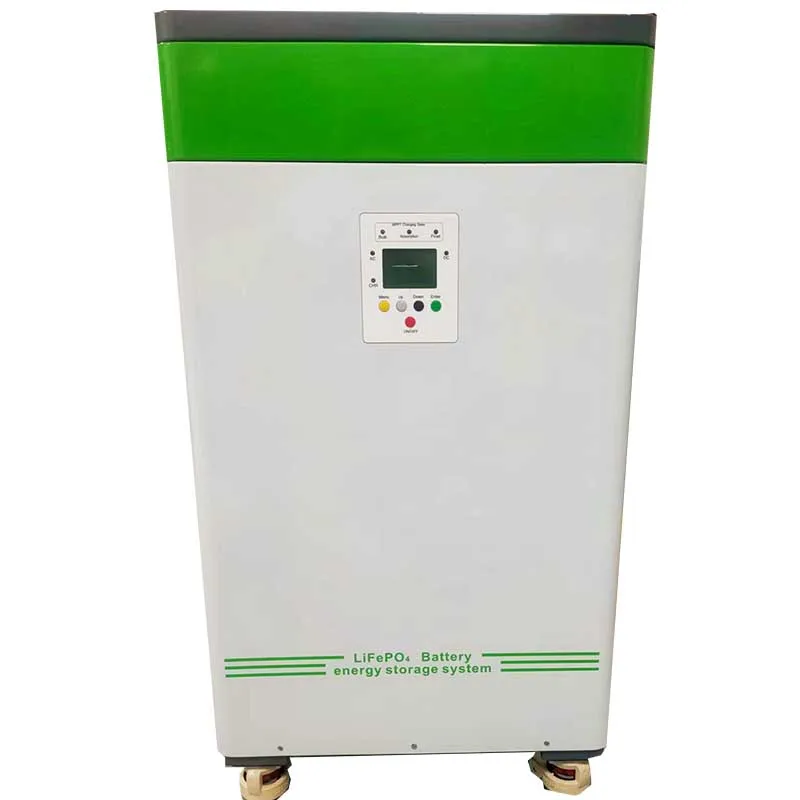
The battery technologies that keep solar energy systems working is storage technology. Lithium iron phosphate (LiFePO4) batteries are the best. These batteries have an amazing cycle life, and will last for over roughly 6,000 cycles, or many decades of effective use. LiFePO4 batteries are also much safer than the other lithium batteries, as they are more stable and less likely to overheat or have other complications that the lithium batteries can experience due to reactions with their less stable chemicals.
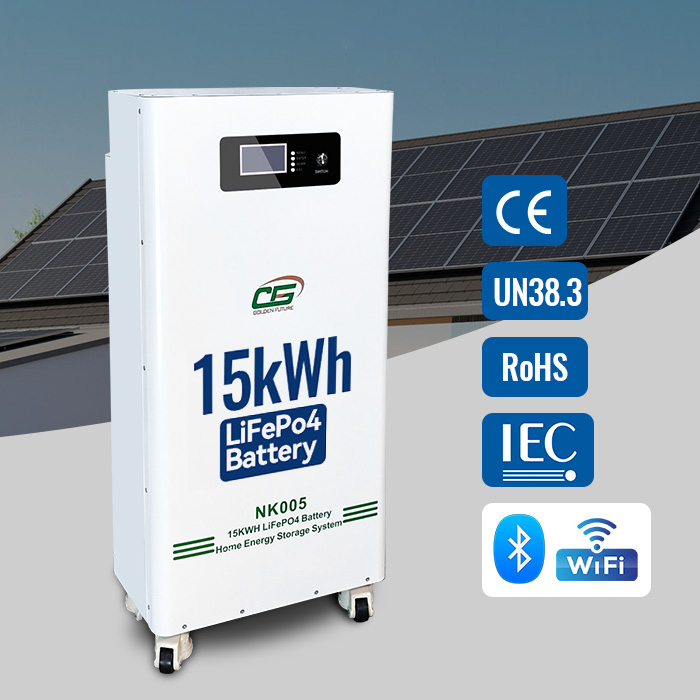
Smart Battery Management Systems (BMSs) are another important technology. These systems are the"brains" of the storage setups: keeping tabs on the battery's health and controlling it's performance. The BMSs regulate how much the battery charges and discharges to ensure battery health. The systems prevent overcurrent, overvoltage, and overdischarge, and also manage temperature. For systems with solar panels, the BMS collaborates with the inverter to manage energy flow by self-consuming solar energy, storing energy, and controlling energy drain from the grid. Many modern systems are equipped with WiFi and Bluetooth technology to allow battery health and performance monitoring from mobile devices.
One of the most notable of any investment in solar energy is cost, and solar storage systems offer great value over time. The initial cost of the system is quickly paid back by the savings from the storage of solar energy instead of paying high cost electricity rates from the grid. Systems with storage are able to self-consume solar energy rather than paying high electricity rates when solar energy is unavailable. This provides energy independence from utility companies and this also avoids the risk of paying rising electricity rates in the future.
LiFePO4 batteries are very cost and time effective, as they need to be replaced and maintained significantly less than other batteries. Lead acid batteries are the other option, and they are very high maintenance, wearing out every couple years, and you need to be replacing them constantly while spending much more money on them, and they lose their value very quickly. LiFePO4 batteries on the other hand last over a decade which is a fraction of the time you spend and a lot less cost. Plus, LiFePO4 batteries come in modular packs, meaning you can start small and expand your pack as your needs grow, saving you a lot of over investment. It is also incredibly affordable and accessible to everyone, with the added bonus of bulk orders for companies.
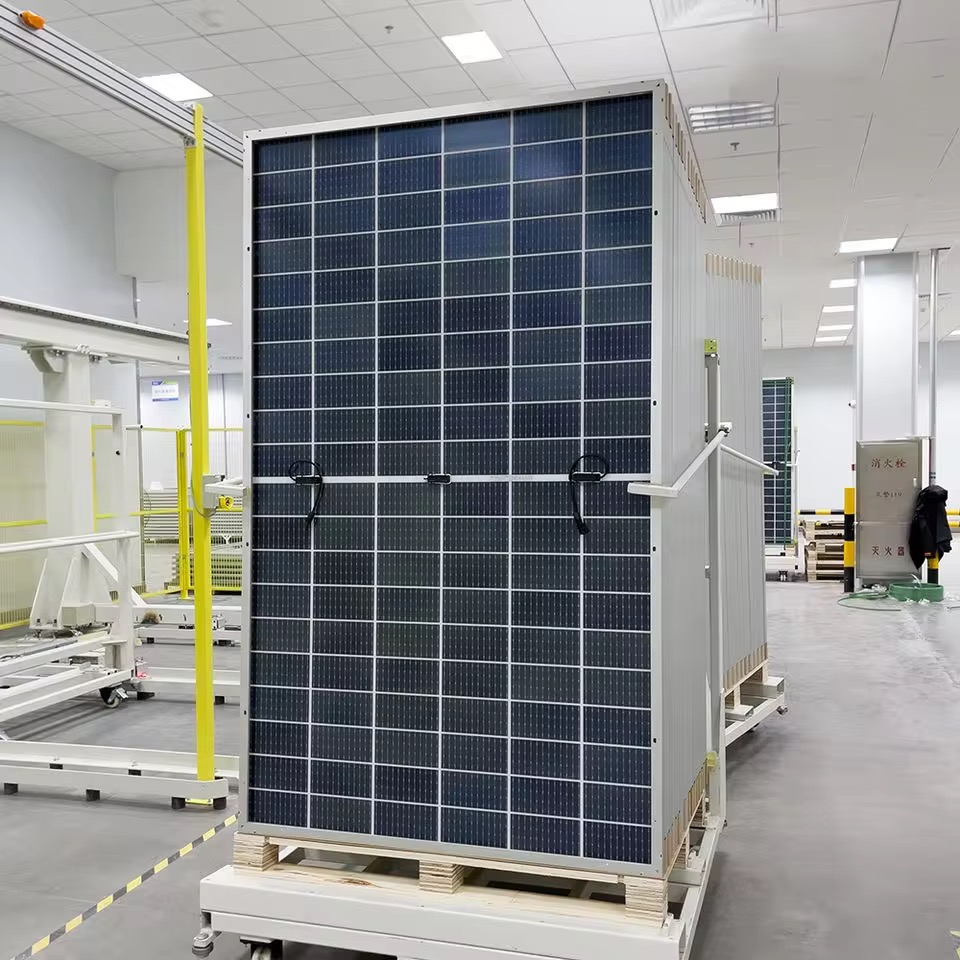
Potential users commonly ask, is your solar storage compatible with my existing panels? The answer is usually yes, as the majority of modern storage systems are designed to be flexible to work with both new and existing panels. It is simple to integrate a storage solution whether you have a grid-tied system without storage, or are starting from scratch with solar panels.
Another concern is the performance ofstorage systems during altered weather conditions. Good quality LiFePO4 batteries are designed to cope with very hot and very cold temperatures. The advanced BMS helps with this by change the cycling rates to retain the overall health of the system.The quality of lithium batteries is protected by certification bodies worldwide and respected certification bodies for solar products. This quality assurance gives customers reassurance that their system will work and keep the same functionality during extreme weather conditions.The assurance gives clients great confidence that their system can work under adverse conditions with the same reliability.This is undeniably the biggest confidence builder for customers to know their system can work under adverse conditions with the same reliability.
In solar storage systems, for homeowners there are some benefits that come with lifestyle and finances. For starters, they provide a sense of power during grid outages which is a must to ensure peace of mind safety and comfort, and in turn saves money on electric bills, resulting in energy independence. Homes with solar and storage are also more attractive to eco-conscience buyers. For comercial users the value is even greater. Cuttin cost is a huge advantage, for users during high demand periods stored solar energy can be used which helps to reduce peak demand. With stored solar energy, overall energy is consolidated which ensures more energy resilience and uninterrupted operational.
Moreover, solar storage systems sync with the overarching objectives of global sustainability, aiding businesses and homeowners in minimizing their carbon footprints. This particular facet of solar storage systems carries great value for brands eager to advance their corporate social responsibility and for individuals committed to living within an ecological footprint. The energy storage systems can be customized based on particular requirements, whether for a small residential setup or an extensive commercial configuration, making storage systems an all-rounded solution for any customer.
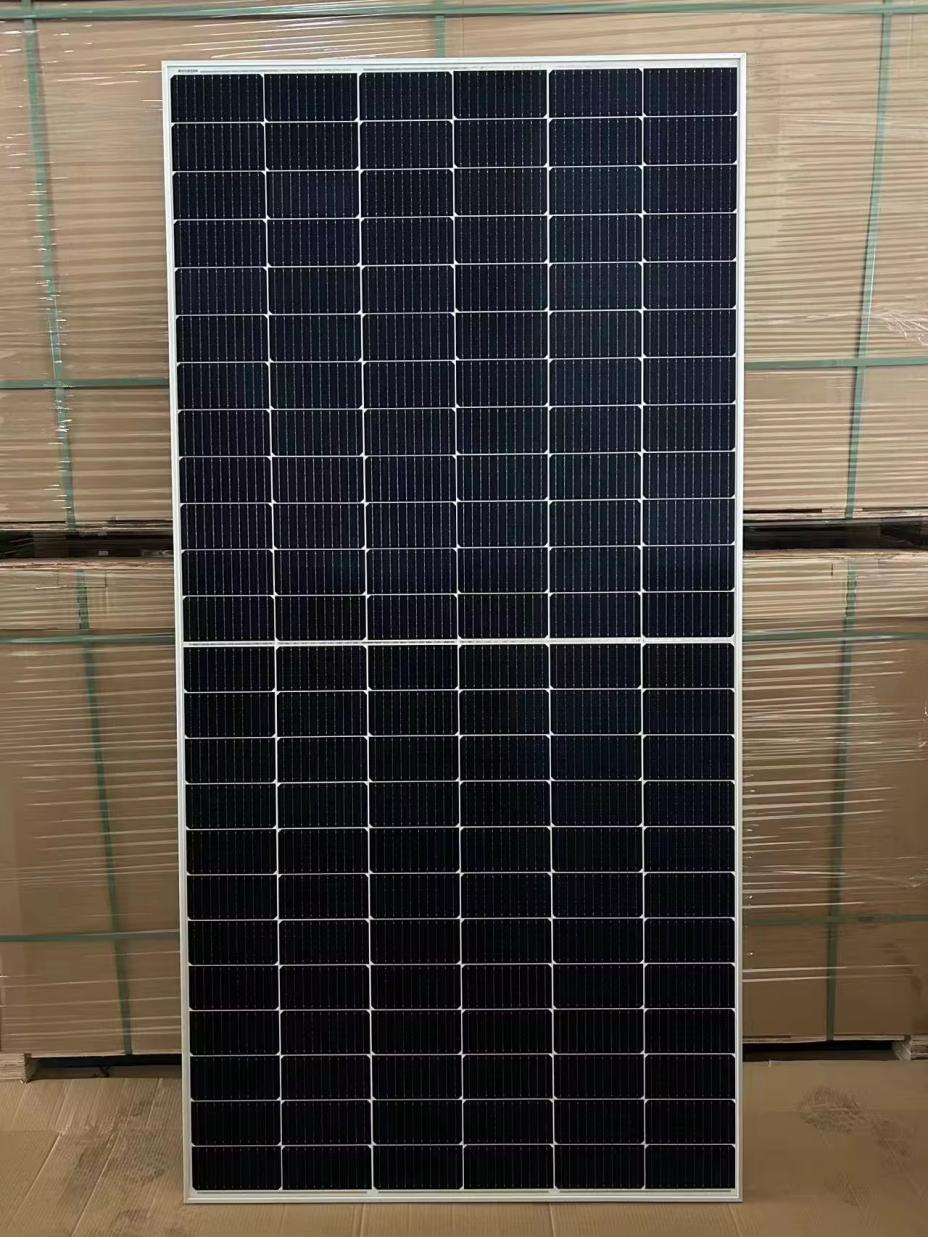
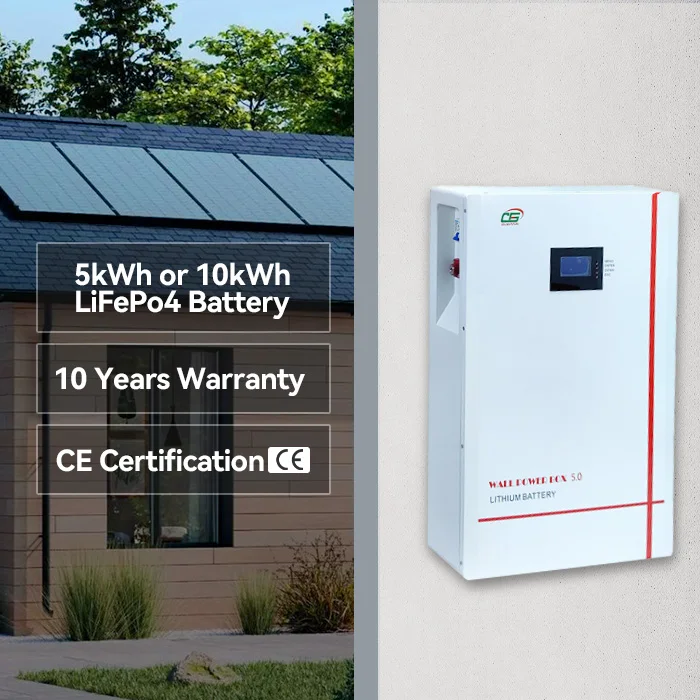
The quality of a solar storage system is especially important, as cutting corners on system components can result in degradation and impractical system costs. Quality cells that react to demand and release energy are important cells for a solar storage system. Quality cells are formally approved and fall within grade A storage cells.Good quality batteries paired with durable systems for the inverter and BMS also increase reliability. An inverter allows for the easy and smooth transition of power with no energy loss from the solar panels, battery, or devices. A quality BMS avoids and protects from battery damage while also improving performance to increase the longevity of the entire system. Reliable systems also include strong warranties, often over 10 years, ensuring you are covered for any defects. A solar panel and good quality battery storage system gives you the best efficiency and protects your investment for years. The entire system will be operating at its best storage system will ensure for years to come.
Shenzhen Golden Future Energy Ltd. provides solar home energy storage systems and LiFePO4 batteries for residential and off-grid applications. Our ODM/OEM solutions, 10+ years of expertise, and 200-employee R&D team deliver reliable, certified energy solutions worldwide. Request a quote today.
Zhu Jiang International Ctr., Long Xiang Rd., Long Gang District, Shenzhen City, China
Copyright © 2025 by Shenzhen Golden Future Energy Ltd. Privacy Policy
 EN
EN
 Hot News