Home > News > Industry News
For both residential and commercial customers, solar energy storage systems are now essential for sustainable energy storage systems. Warranties are among the many factors that affect investment decisions, and they are very important for value and user confidence. Because warranties offer protection from losses due to malfunctioning, they offer protection from losses due to malfunctioning, and they offer protection from losses due to malfunctioning. Warranties are essential for solar storage system warranties. In this case, we will look at important industry and customer insights to assist customers with this important area of their investment.
Before buying home energy systems that include a solar battery, you should be clear on warranty terms. Warranty length is important. For most good quality lithium ion batteries, it is 5-10 years. Premium systems can have slightly longer warranties. But a long warranty is not enough. Users need to understand warranty coverage which could be for the whole system vs. just a few components (battery cells, inverter, etc.). Most warranties cover manufacturing defects. For some warranties, excessive degradation coverage is included. For example, a warranty could state it will cover degradation to 80% of original capacity for a certain number of charge cycles. Also, it is important to understand if a warranty is for replacement or repair. Replacement warranties cover defective components and repair warranties cover defective parts. Knowing these terms and conditions will help you understand what to expect when using your warranties.
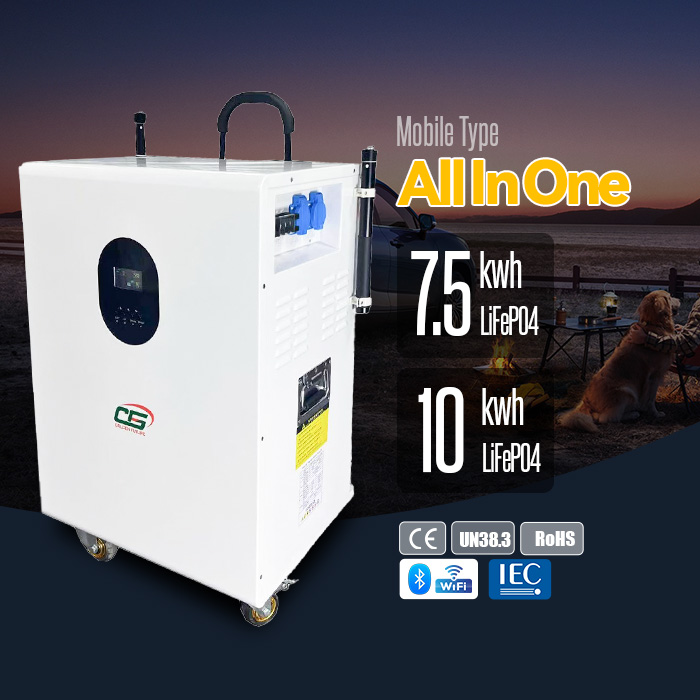
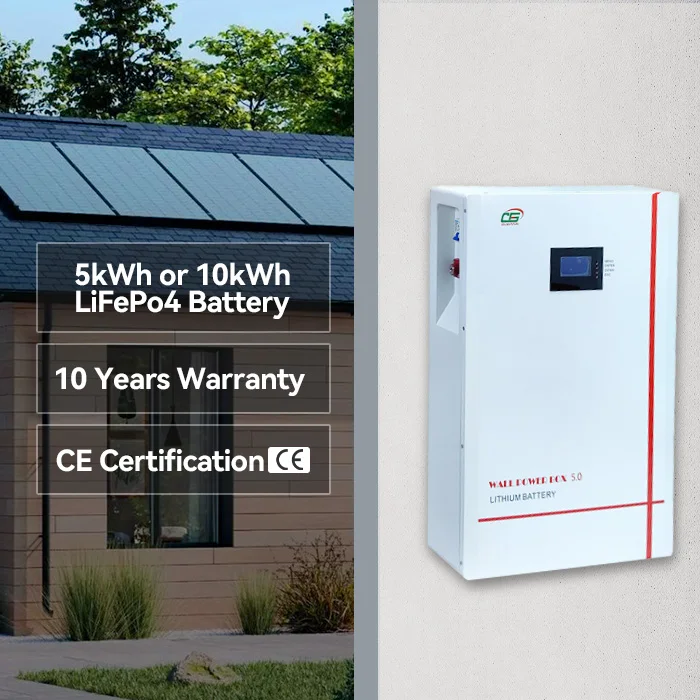
The warranty of the battery system you are investing in heavily relies on battery chemistry. LiFePO4 batteries are the market leaders as a result of their reliability and safety. They can be discharged and charged thousands of times while still retaining their capacity. It is for this reason that manufacturers can confidently provide longer warranties. In contrast to the other lithium ion batteries, the LiFePO4 batteries do not suffer from thermal run away or degradation, even when in extreme temperatures. A LiFePO4 battery with a 6000+ cycle rating will be able to last for even more than 10 years under normal operating conditions. Understanding warranty terms becomes easier as manufacturers align them to the battery system warranty and battery chemistry. From understanding battery chemistry, users can evaluate the warranty and select systems with the most consistent performance during the warranty period.
It’s all about the manufacturer when it comes to ease of warranty claims. One commercial user experienced major capacity loss during the warranty period. After inspection, the loss was attributed to the battery management system, which was warrantied. The manufacturer replaced the component, and the system was operational again within days. In another case, a residential user’s inverter was damaged from a power surge. The warranty was comprehensive, and the user was not charged anything for the replacement. These are all examples of the positive impact of working with companies that have easy claims and keep their promises. The performance of the system should be documented, including losses and capacity issues, which helps strengthen a warranty position for a seamless outcome.
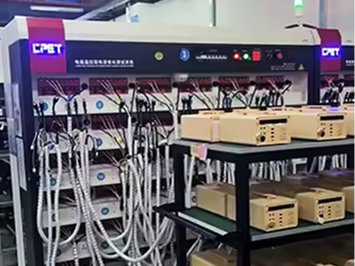
Industry experts stress that warranty length vs real manufacturer commitment is less important than using good quality components from reliable suppliers. Overcoming failures that would invoke a warranty is important. Maintaining strict quality control over possible defects is important to avoid battery management systems getting into end users. Strong BMS with overcharge/over discharge and temperature control protection extend battery life and keep systems out of warranty worse case scenarios. Realistic comprehensive warranties are best offered from manufactures who are current with industry R&D technological advancements. Timely warranty problem solving increases W.
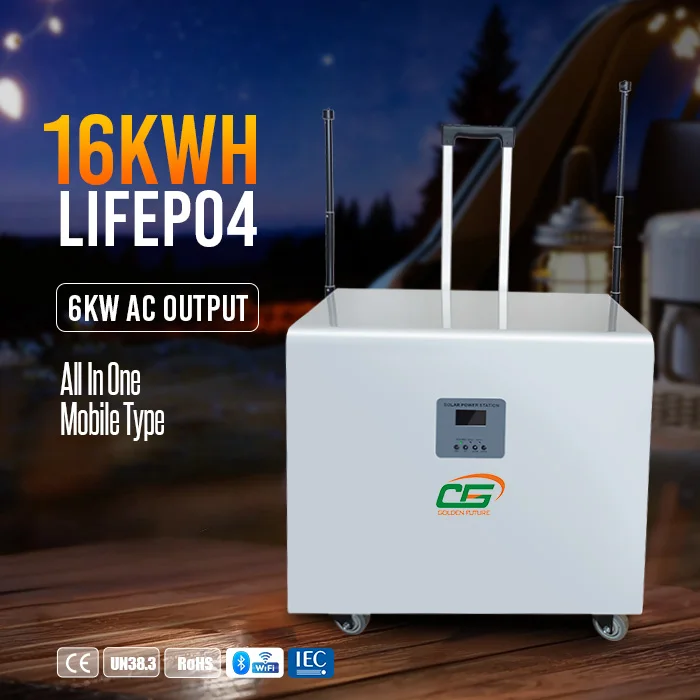
Solar storage warranties are influenced by and guided certified storage standards. Guarantees like CE UN38.3 IEC and RoHS offer coverage on standards for safety, longevity, and environmental concerns. UN38.3 addresses safety during shipping and the IEC standards are for performance and reliability. Warranty best practices are shaped by industry associations and regulatory bodies, protecting consumers from unfair or ambiguous warranties. Customers value certified systems for the warranty and quality of the systems.
Assessing warranties needs an organized method. Looking at warranty details between manufacturers and beyond the warranty’s duration is a must. Also, a manufacturer’s reputation in the industry counts; older companies more likely to stand behind their warranties and provide good quality products seem to have more reliable warranties. Finding the balance between the initial investment and the long term benefits from good coverage will provide the most value.
Warranty coverage affects how a solar storage system’s commercial value. For commercial users strong warranties lower downtime and repair costs as a risk mitigator, a value differentiator. Extensive coverage increases resale value to prospective purchasers. For residential users, it protects the investment and offers peace of mind. There is a need to balance warranty coverage, cost and performance and compatibility.By evaluating total system ownership costs, customers can identify warranty coverage that will optimize the protected system aspects.
With solar energy storage investments, warranties play a crucial role. Knowing the battery chemistry as it relates to a user’s experience, the expert feedback, the industry acknowledged standards, and the evaluation recommendations will assist a user in decision-making. Comprehensive warranties are financially protective, and they also provide quality assurance from the manufacturer. As the solar storage market develops, warranty investment should be more prominent to ensure returns in value and performance over time. Researching and assessing warranties is especially important for the prospective users of a solar energy storage system.
Shenzhen Golden Future Energy Ltd. provides solar home energy storage systems and LiFePO4 batteries for residential and off-grid applications. Our ODM/OEM solutions, 10+ years of expertise, and 200-employee R&D team deliver reliable, certified energy solutions worldwide. Request a quote today.
Zhu Jiang International Ctr., Long Xiang Rd., Long Gang District, Shenzhen City, China
Copyright © 2025 by Shenzhen Golden Future Energy Ltd. Privacy Policy
 EN
EN
 Hot News