Home > News > Industry News
In today's world, solar will continue to be the go-to renewable energy solution that most people will look to. Understanding the most basic type of systems is important. In this regard, we will center the discussion around solar energy systems storage that off-grid and grid-tied systems. Off-grid systems do not connect to the public grid, while grid-tied do. Off grid systems are energy independent and have solar panels, batteries, and inverters that fulfill energy needs. Grid-tied systems depend on the public grid and have the ability to draw energy from the grid when solar output from the panels is low and shift energy back to the grid when production is high. Off grid systems are ideal for remote areas where you do not have access to the grid, however, these systems do require battery banks to hold energy for the night and cloudy periods. In suburban and urban environments, grid-tied systems work best since these areas do have battery storage and do not have to worry about the grid.
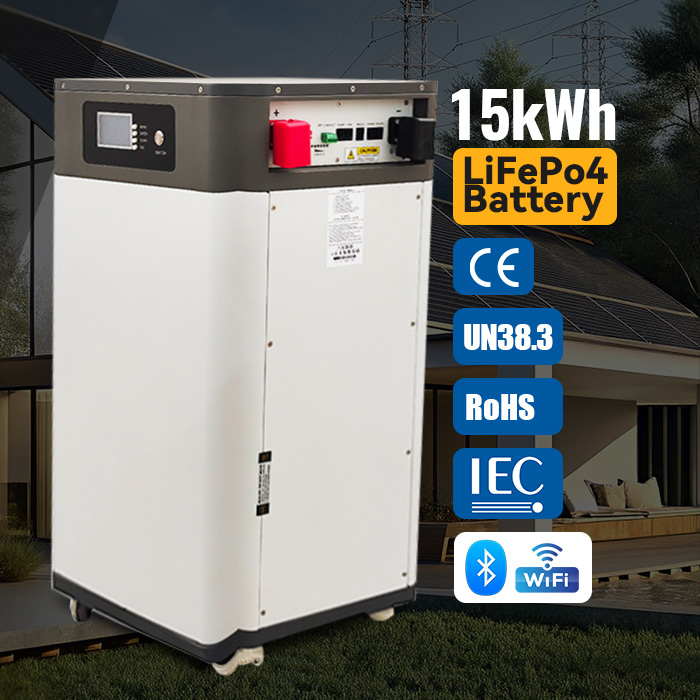
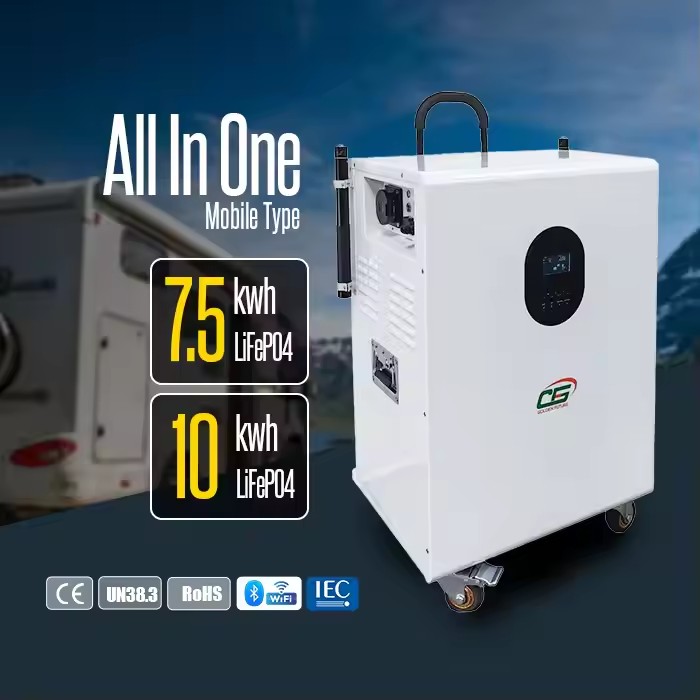
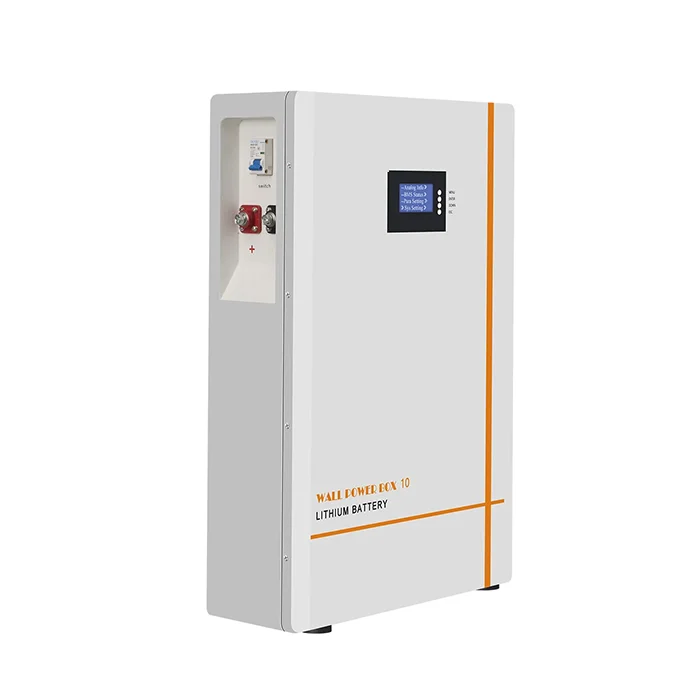
When it comes to independent energy usage, off-grid solar storage systems have unique technical advantages. The most important of these advantages is complete energy independence, protecting users from burning utility bills, power outages, and inconsistent utility charges. The systems use LiFePO4 batteries, which offer 6000+ cycles and durability in extreme temperatures. The smart battery management systems (BMS) integrated into the batteries cover the most common scenarios of battery malfunctioning, which are overcharging, high temperatures, and short circuits.
Another main advantage is the off-grid solar systems’ scalability. Remote communities, rural homes, and remote-based commercial operations can have off-grid solar and later expand their systems with extra batteries or panels to fulfill increasing power demand. Off-grid Systems also have advantageous silence. Where better solar sites are also residential or have noise sensitivity, this is important because these systems have quality components, powerful lithium-ion cells, and efficient power electronics that minimize maintenance requirements.
When considering solar energy storage systems, grid-tied solar systems can provide users with benefits that are specifically technical in nature, in terms of how they connect to the grid. From a technical perspective, cost savings, or cost effectiveness, is a large incentive: since users opt to utilize the grid as a virtual battery, they are able to forgo large on-site storage systems, which reduces costs. These users are able to participate in net metering, which is when users sell excess energy they have back to the grid. This results in savings on their energy costs, and overall time to get their initial investment back is reduced. Overall, the simplicity of the installation can be attributed to the absence of back-up generators or large battery systems.
Today's grid-tied systems are able to utilize smart technology, which gives users the ability to view all energy being produced, consumed, and used in real-time on the grid. This ability provides the user with the opportunity to optimize energy usage so that they use more solar and less energy from the grid. This reduces the stress on the grid and increases the use of renewables, which is a form of grid support. These systems can be integrated into the current grid systems. They possess certifications for UL, CE, and RoHS.
In every day use, off-grid systems have been vital for remote operations. The system’s long cycle life and weather resistance provided uninterrupted energy that replaced expensive diesel generators, and it eliminated carbon emissions. Users indicated improved consistency and appreciable long-term savings, demonstrating that the system effectively addressed off-grid concerns.
Grid-tied systems have become popular with urban business and home owners. A small retail shop installed a grid-tied system and applied net metering to save 75% of his electricity bill. He used business real-time monitoring to solar shift his operations more during peak production hours. Home owners and business owners like the automatic change over between solar and grid power. Many noted the added solar storage feature increased the value of their property.
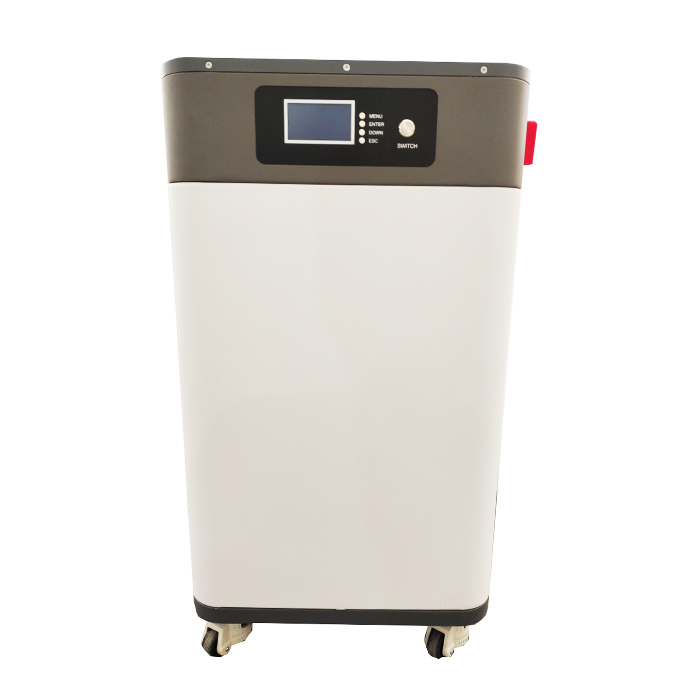
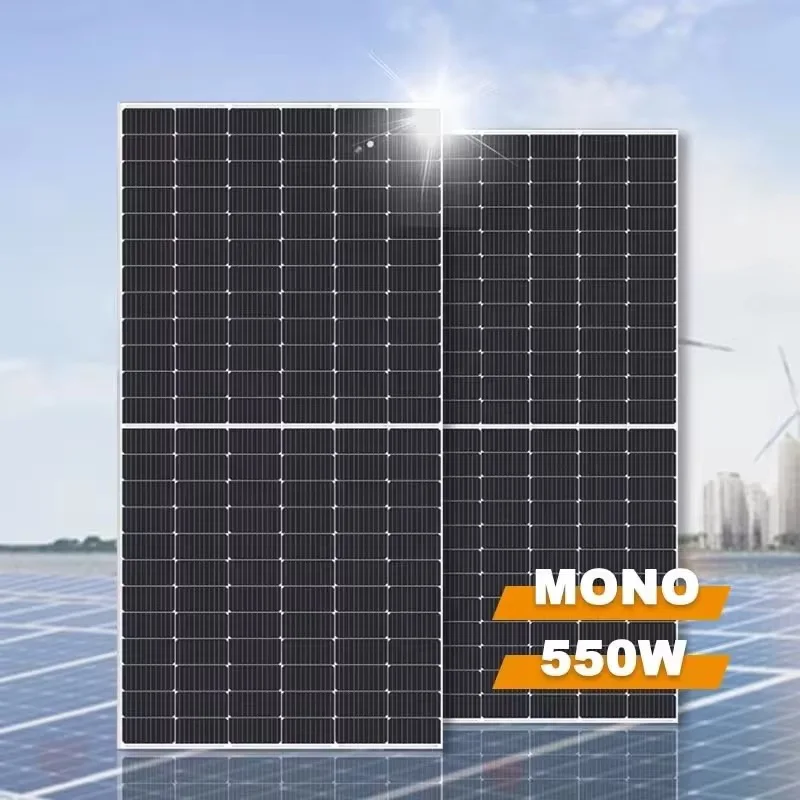
There are design and use-case related variations between the two systems. Off-grid systems are reliant on the efficiency of panels and the battery’s energy and cycle storage capacity. LiFePO4 batteries are preferred due to having a better energy and cycle life density. The efficiency of solar panels which convert sunlight into electricity directly impacts the output. The combination of a better storage and conversion energy loss accounting a better system.
Grid-tied systems are not burdened with the additional storage logic due to collating with the grid. Their Efficiency is based on panel and inverter compatibility with the grid. A higher quality inverter gives less energy wasted on the conversion from DC to AC grid power. Net metering gives a better efficiency score based on the policy. Balancing the system to the consumption pattern of the user gives better storage performance.
In evaluating both systems, cost transparency is vital. Off-grid systems require greater initial investment because of battery banks and backup components. These costs, however, are offset because customers incur no payments to the grid, are protected from increasing utility rates, and with battery life projected to be over 6000 cycles, are guaranteed low total costs over time. These systems provide priceless value in locations devoid of grid access.
Systems connected to the grid have lower costs to start. They begin paying for themselves immediately due to net metering savings. Pay back for the investment is faster than for off grid systems due to bill reductions. They rely on grid availability and net metering policies set by the governing body. This makes local policy and utility regulation research important for long term viability. Technology related to solar will improve and will offset rising costs of energy for both systems.
From an energy independence standpoint, off grid systems are great. They are also dependable for remote locations, and protection from grid issues makes them ideal for rural areas, for remote businesses, or self sufficiency. Cost savings and simplified installation make it great for rural and suburban access. Consider location, energy needs, financials, and goals set for the systems when choosing. Working with reputable manufacturers as well as renewable energy consultants will set up an informed choice. Both systems evolve with battery technology and the growing reliability of renewable energy.
Shenzhen Golden Future Energy Ltd. provides solar home energy storage systems and LiFePO4 batteries for residential and off-grid applications. Our ODM/OEM solutions, 10+ years of expertise, and 200-employee R&D team deliver reliable, certified energy solutions worldwide. Request a quote today.
Zhu Jiang International Ctr., Long Xiang Rd., Long Gang District, Shenzhen City, China
Copyright © 2025 by Shenzhen Golden Future Energy Ltd. Privacy Policy
 EN
EN
 Hot News